Books › 1177 B.C.

1177 B.C.
368 pages
A sweeping, sobering autopsy of the ancient world's first globalized society and its sudden, catastrophic end.
What it feels like
Reading this book feels like standing in the ruins of a once-great metropolis, piecing together the puzzle of its sudden demise. The narrative moves at a steady, deliberate pace, carefully laying out the vibrant, interconnected world of the Late Bronze Age before meticulously dismantling it. The mood is both sweeping and slightly ominous, as the text draws subtle, cautionary parallels between the fragile interdependence of ancient empires and our own modern globalized society. The prose is authoritative yet highly accessible, translating dense archaeological data and historical records into a gripping forensic investigation. It is a deeply fascinating experience for history buffs and armchair archaeologists who love exploring systemic collapse, the butterfly effect in human history, and the sobering reality of civilizational fragility.
- Mood
- sweeping
- inquisitive
- ominous
- fascinating
- Tone
- scholarly
- engaging
- analytical
- cautionary
- Pace
- steady
- Themes
- civilizational fragility · systemic collapse · interconnectedness · historical parallels · the butterfly effect
- The writing
- Clear, authoritative, and narrative-driven, seamlessly blending dense archaeological data with accessible, engaging storytelling.
- The arc
- Begins with awe at the vibrant complexity of ancient globalized societies before descending into a sobering realization of their sudden, catastrophic unraveling.
- Who it's for
- History buffs and armchair archaeologists fascinated by ancient mysteries, systemic collapse, and the eerie parallels between past and present globalized societies.
Content notes
- historical warfare
- natural disasters
- societal collapse
About the book
In 1177 B.C., marauding groups known only as the "Sea Peoples" invaded Egypt. The pharaoh’s army and navy managed to defeat them, but the victory so weakened Egypt that it soon slid into decline, as did most of the surrounding civilizations. After centuries of brilliance, the civilized world of the Bronze Age came to an abrupt and cataclysmic end. Kingdoms fell like dominoes over the course of just a few decades. No more Minoans or Mycenaeans. No more Trojans, Hittites, or Babylonians. The thriving economy and cultures of the late second millennium B.C., which had stretched from Greece to Egypt and Mesopotamia, suddenly ceased to exist, along with writing systems, technology, and monumental architecture. But the Sea Peoples alone could not have caused such widespread breakdown. How did it happen? In this major new account of the causes of this "First Dark Ages," Eric Cline tells the gripping story of how the end was brought about by multiple interconnected failures, ranging from invasion and revolt to earthquakes, drought, and the cutting of international trade routes. Bringing to life the vibrant multicultural world of these great civilizations, he draws a sweeping panorama of the empires and globalized peoples of the Late Bronze Age and shows that it was their very interdependence that hastened their dramatic collapse and ushered in a dark age that lasted centuries. A compelling combination of narrative and the latest scholarship, 1177 B.C. sheds new light on the complex ties that gave rise to, and ultimately destroyed, the flourishing civilizations of the Late Bronze Age -- and that set the stage for the emergence of classical Greece. - Publisher.
Description from Open Library.
Books like 1177 B.C.
See why they match The collapse of complex societiesTainter, JosephA rigorous, sobering exploration of how the very complexity we build to solve our problems eventually becomes the weight that crushes us.
 The Silk RoadsPeter FrankopanA sweeping, panoramic journey that recenters the globe and fundamentally shifts how you view the history of human civilization.
 People of the earthBrian M. FaganA sweeping, accessible journey through millions of years of human history that makes the distant past feel remarkably close.
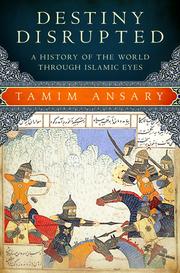 Destiny disruptedTamim AnsaryA paradigm-shifting journey that flips the map of world history upside down and invites you to look again.
 Why the West Rules - For NowIan MorrisA sweeping, God's-eye view of human history that turns millennia of data into a gripping puzzle about geography, power, and our collective future.
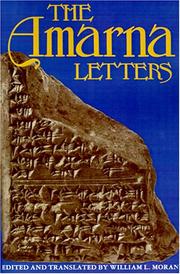 The Amarna LettersWilliam L. MoranA fascinating, unfiltered glimpse into the surprisingly relatable grievances, demands, and anxieties of ancient kings.