Books › The Amarna Letters

The Amarna Letters
448 pages
A fascinating, unfiltered glimpse into the surprisingly relatable grievances, demands, and anxieties of ancient kings.
What it feels like
Reading this collection feels like eavesdropping on the private, unvarnished conversations of the ancient world's most powerful figures. The pace is steady, anchored by meticulous scholarly framing, but the letters themselves crackle with an unexpected, deeply human energy. You are plunged into a bureaucratic yet tense atmosphere where pharaohs and kings bicker over gold, complain about detained messengers, and send desperate pleas for military aid from besieged cities. The prose is a fascinating mix of formulaic diplomatic flattery and blunt, urgent demands. It delights history enthusiasts and classicists who crave primary sources that strip away the mythic veneer of antiquity, revealing the petty grievances, political maneuvering, and fragile alliances that defined the Late Bronze Age.
- Mood
- ancient
- immersive
- bureaucratic
- tense
- Tone
- scholarly
- frank
- urgent
- diplomatic
- wry
- Pace
- steady
- Themes
- ancient diplomacy · imperial politics · humanizing history · cross-cultural communication · fragility of power
- The writing
- Academic and precise in its framing, while the translated letters themselves are direct, formulaic, and surprisingly emotive.
- The arc
- Moves from a sense of scholarly detachment into a surprisingly intimate, relatable immersion in the anxieties and grievances of ancient rulers.
- Who it's for
- History buffs, classicists, and readers who love seeing the deeply human, often petty side of ancient empires.
Content notes
- warfare
- political tension
- ancient slavery mentions
About the book
An ancient inscription identified some of the ruins at el Amarna as "The Place of the Letters of the Pharaoh." Discovered there, circa 1887, were nearly four hundred cuneiform tablets containing correspondence of the Egyptian court with rulers of neighboring states in the mid-fourteenth century B.C. Previous translations of these letters were both incomplete and reflected an imperfect understanding of the Babylonian dialects in which they were written. William Moran devoted a lifetime of study to the Amarna letters to prepare this authoritative English translation. The letters provide a vivid record of high-level diplomatic exchanges that, by modern standards, are often less than diplomatic. An Assyrian ruler complains that the Egyptian king's latest gift of gold was not even sufficient to pay the cost of the messengers who brought it. The king of Babylon refuses to give his daughter in marriage to the pharaoh without first having proof that the king's sister -- already one of the pharaoh's many wives -- is still alive and well. The king of Karaduniyash complains that the Egyptian court has "detained" his messenger -- for the past six years. And Egyptian vassal Rib-Hadda, writing from the besieged port of Byblos, repeatedly demands military assistance for his city or, failing that, an Egyptian ship to permit his own escape.
Description from Open Library.
Books like The Amarna Letters
See why they match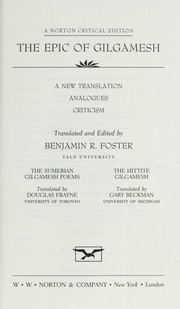 The epic of GilgameshBenjamin Read FosterAn immersive, scholarly journey into the world's oldest surviving epic, blending ancient poetry with rigorous modern analysis.
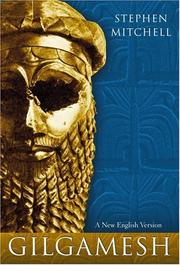 GilgameshStephen MitchellA muscular, breathing translation of humanity's oldest story that makes ancient grief and friendship feel startlingly immediate.
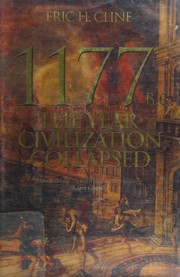 1177 B.C.Eric H. ClineA sweeping, sobering autopsy of the ancient world's first globalized society and its sudden, catastrophic end.
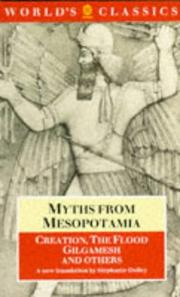 Myths from MesopotamiaStephanie DalleyAn authoritative journey into the cradle of civilization, where gods shape the world and heroes grapple with the limits of their own humanity.
 From the stone age to ChristianityWilliam Foxwell AlbrightA sweeping, erudite journey through the ancient Near East that traces the dawn of the monotheistic mind.
 The 12th PlanetZecharia SitchinA meticulous, paradigm-challenging deep dive into ancient texts that asks readers to completely reimagine the origins of humanity.