Books › A Canticle for Leibowitz

A Canticle for Leibowitz
First published 1984 · 609 pages
A sweeping, darkly satirical, and deeply philosophical meditation on humanity's doomed cycle of destruction and the quiet monks who preserve the ashes of knowledge.
What it feels like
Reading this book feels like sitting in a cold, stone abbey while the world burns and rebuilds itself outside the window. It is a deeply atmospheric, philosophical experience that unfolds at a steady, deliberate pace, spanning millennia to explore the tragic, cyclical nature of human history. The prose is erudite and lyrical, heavily flavored with liturgical rhythms and a dry, biting satire that highlights the tension between faith, reason, and our innate drive toward self-destruction. The mood is both hauntingly melancholic and strangely reverent, wrapping the reader in a somber meditation on the burden of memory. It will profoundly delight readers who crave sweeping, intellectual science fiction that asks massive theological questions and lingers long after the final page is turned.
- Mood
- contemplative
- somber
- haunting
- atmospheric
- Tone
- philosophical
- satirical
- melancholic
- reverent
- darkly comic
- Pace
- steady
- Themes
- cyclical nature of history · preservation of knowledge · faith versus reason · burden of memory · human self-destruction
- The writing
- Lyrical, erudite, and steeped in liturgical rhythms, blending ecclesiastical solemnity with dry, ironic observation.
- The arc
- Moves from quiet, monastic dedication through the hopeful but fraught rediscovery of science, culminating in a tragic sense of cyclical doom tempered by spiritual endurance.
- Who it's for
- Readers who enjoy sweeping, philosophical science fiction that wrestles with theology, history, and the tragic flaws of human nature.
Content notes
- nuclear war
- radiation sickness
- suicide
- apocalyptic themes
- death
About the book
Highly unusual After the Holocaust novel. In the far future, 20th century texts are preserved in a monastery, as "sacred books". The monks preserve for centuries what little science there is, and have saved the science texts and blueprints from destruction many times, also making beautifully illuminated copies. As the story opens to a world run on a basically fuedal lines, science is again becoming fashionable, as a hobby of rich men, at perhaps 18th or early 19th century level of comprehesion. A local lord, interested in science, comes to the monastery. What happens after that is an exquisitely told tale, stunning and extremely moving, totally different from any other After the Holocaust story
Description from Open Library.
Books like A Canticle for Leibowitz
See why they match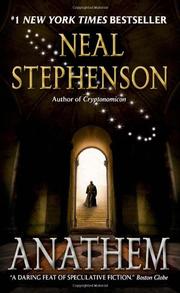 AnathemNeal StephensonA massive, mind-expanding philosophical puzzle box that demands patience before rewarding you with breathtaking cosmic scale.
 Riddley WalkerRussell HobanA haunting, linguistic puzzle-box of a novel that immerses you in the primal myths of a broken world.
 The PostmanDavid BrinA wintry, atmospheric journey through a ruined world that slowly warms into a profound meditation on the symbols that bind humanity together.
 Level 7Mordecai RoshwaldA chillingly methodical descent into the ultimate bureaucratic nightmare, where the end of the world is just another day at the office.
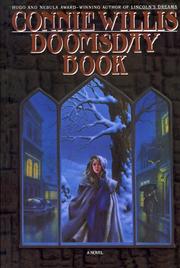 Doomsday bookConnie WillisA devastating, time-bending journey that contrasts the absurdity of academia with the visceral, heartbreaking reality of a historical pandemic.
 Stand on ZanzibarJohn BrunnerA kaleidoscopic, fragmented plunge into an overpopulated, media-saturated future that feels uncomfortably close to our present.