Books › A Distant Mirror

A Distant Mirror
First published 1978 · 790 pages
A sweeping, unsentimental plunge into a century of apocalyptic chaos, where chivalric ideals collide with plague, war, and human folly.
What it feels like
Reading this book feels like standing on a high vantage point watching a magnificent, doomed world tear itself apart. It is a steady, immersive journey through a century defined by apocalyptic catastrophe, where the glittering illusions of chivalry are constantly undercut by the grim realities of plague, endless war, and political betrayal. The prose is elegant and muscular, weaving panoramic societal shifts with the intimate, often brutal details of daily medieval life. The atmosphere is undeniably grim, yet there is a dark fascination in watching humanity stumble through the wreckage of its own making. It will deeply satisfy readers who crave narrative history that feels as vivid and complex as a sprawling epic novel, offering a sobering but mesmerizing reflection on the fragility of civilization.
- Mood
- apocalyptic
- chaotic
- grim
- immersive
- Tone
- authoritative
- unsentimental
- vivid
- sweeping
- Pace
- steady
- Themes
- fragility of civilization · ideals versus reality · human folly · resilience amidst catastrophe
- The writing
- Elegant, muscular, and richly detailed, balancing panoramic historical sweep with sharp, character-driven vignettes.
- The arc
- Moves from the glittering illusions of chivalric grandeur into the crushing weight of relentless catastrophe, ending with a sobering reflection on human endurance.
- Who it's for
- History enthusiasts who crave immersive, narrative-driven accounts of chaotic eras and enjoy drawing parallels between past and present crises.
Content notes
- graphic violence
- plague and disease
- warfare
- historical antisemitism
- mass death
About the book
In this sweeping historical narrative, Barbara Tuchman writes of the cataclysmic 14th century, when the energies of medieval Europe were devoted to fighting internecine wars and warding off the plague. Some medieval thinkers viewed these disasters as divine punishment for mortal wrongs; others, more practically, viewed them as opportunities to accumulate wealth and power. One of the latter, whose life informs much of Tuchman's book, was the French nobleman Enguerrand de Coucy, who enjoyed the opulence and elegance of the courtly tradition while ruthlessly exploiting the peasants under his thrall. Tuchman looks into such events as the Hundred Years War, the collapse of the medieval church, and the rise of various heresies, pogroms, and other events that caused medieval Europeans to wonder what they had done to deserve such horrors.
Description from Open Library.
Books like A Distant Mirror
See why they match The Hundred Years WarJonathan SumptionAn immersive, monumental plunge into the mud, blood, and political machinations of medieval Europe's most defining conflict.
 The proud towerBarbara Wertheim TuchmanA sweeping, fateful portrait of a glittering and fractured world hurtling toward cataclysm.
 The time traveler's guide to medieval EnglandIan MortimerA sensory, mud-splattered plunge into the sights, smells, and daily survival of the fourteenth century.
 The civilization of the Middle AgesNorman F. CantorA sweeping, opinionated, and deeply human journey through the cultural and intellectual awakening of the medieval world.
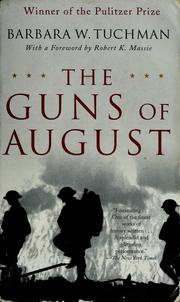 The Guns of AugustTuchman, Barbara W.A masterclass in narrative history that reads like a ticking-clock thriller about the tragic, hubristic collapse of the old world.
 Plagues and PeoplesWilliam Hardy McNeillA sweeping, sobering exploration of how microscopic biological forces have repeatedly rewritten the story of human civilization.