Books › The civilization of the Middle Ages
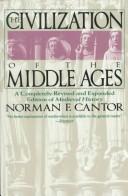
The civilization of the Middle Ages
First published 1993 · 624 pages
A sweeping, opinionated, and deeply human journey through the cultural and intellectual awakening of the medieval world.
What it feels like
Reading this book feels like sitting in the lecture hall of a brilliantly opinionated, master storyteller who brings a misunderstood millennium vividly to life. It trades the dry recitation of battles and treaties for a sweeping, immersive exploration of how people actually thought, believed, and built their societies. The steady, narrative-driven pace carries you effortlessly through the collapse of Rome to the dawn of the Renaissance, anchored by vivid biographical sketches that make distant historical figures feel strikingly human. The prose is authoritative yet accessible, laced with a distinct perspective that makes the intellectual and cultural shifts of the era feel urgent and dynamic. It is a feast for the curious reader who wants to understand the deep, complex roots of the modern world without sacrificing the thrill of a grand, unfolding epic.
- Mood
- intellectually stimulating
- sweeping
- immersive
- Tone
- authoritative
- engaging
- opinionated
- narrative-driven
- Pace
- steady
- Themes
- the foundations of modernity · cultural evolution · the power of religious belief · societal transformation · intellectual awakening
- The writing
- Clear, opinionated, and highly readable, blending grand historical synthesis with vivid biographical sketches.
- The arc
- Moves from the chaotic collapse of antiquity through a slow, fascinating dawn of cultural synthesis, culminating in the complex birth of the modern world.
- Who it's for
- History enthusiasts who crave sweeping, narrative-driven accounts of the past that focus on culture and ideas rather than just battles and kings.
Content notes
- historical violence
- religious persecution
- antisemitism (historical context)
About the book
In 1963, Norman F. Cantor published his breakthrough narrative history of the Middle Ages. Further editions of this immediately celebrated book appeared in 1968 and 1974. Now, a thorough revision, update and significant expansion of the book has been made with a third of the text new.
The Civilization of the Middle Ages incorporates current research, recent trends in interpretation, and novel perspectives, especially on the foundations of the Middle Ages to A.D. 450 and the Later Middle Ages of the fourteenth and fifteenth centuries, as well as a sharper focus in social history, Jewish history, and women's roles in society, and popular religion and heresy.
While the first and last sections of the book are almost entirely new and many additions have been incorporated in the intervening sections, Cantor has retained the powerful narrative flow that made the earlier editions so accessible and exciting.
Cantor's book was innovative in 1963 because it was the first comprehensive general history of the Middle Ages to center on medieval culture and religion rather than political history (which was, however, dealt with, but from the perspective of applied intellect and social ordering). It remains a unique book in that regard. The book also featured the highlighting of prominent medieval personalities through dozens of biographical sketches, which has been retained.
Although it draws upon a century of detailed research on the medieval world and is authoritative in its learning, from first page to last, Cantor's book tells an exciting and compelling story.
Description from Open Library.
Books like The civilization of the Middle Ages
See why they match Medieval EuropeC. Warren HollisterA sweeping, accessible journey through a millennium of kings, peasants, plagues, and cathedrals that laid the foundations of the modern world.
 The history of the medieval worldSusan Wise BauerAn erudite, sweeping journey through the centuries where faith became the ultimate engine of empire.
 A Distant MirrorBarbara Wertheim TuchmanA sweeping, unsentimental plunge into a century of apocalyptic chaos, where chivalric ideals collide with plague, war, and human folly.
 In the Wake of the PlagueNorman F. CantorA sweeping, atmospheric journey through the darkest years of the Middle Ages that reveals how catastrophe shapes the future.
 History of the Decline and Fall of the Roman Empire Complete and UnabridgedEdward GibbonA majestic, deeply ironic chronicle of a civilization's slow and inevitable decay.
 The CrusadesThomas AsbridgeA sweeping, blood-soaked tapestry of medieval holy war that reads with the cinematic intensity of an epic novel.