Books › A Doll's House
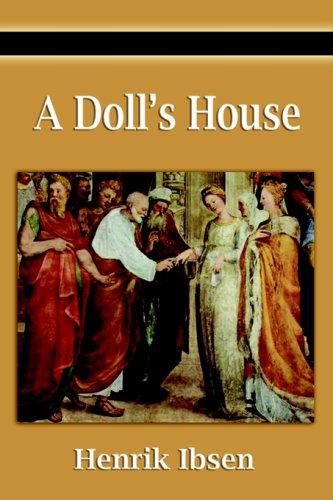
A Doll's House
429 pages
A claustrophobic descent into the cracks of a seemingly perfect marriage, culminating in a quiet but earth-shattering rebellion.
What it feels like
Reading this play feels like watching a pristine porcelain teacup slowly develop a hairline fracture until it finally shatters. The pacing is steady and deliberate, trapping you inside a cozy but deeply claustrophobic living room where every interaction is laced with unspoken anxiety and performative cheer. As the domestic facade begins to crumble, the mood shifts from a simmering, uneasy tension to a stark, breathless clarity. The dialogue is sharp and naturalistic, masterfully using mundane conversations about money and macaroons to expose the suffocating weight of societal expectations. It is a perfect match for readers who love slow-burn psychological dramas and classic feminist literature that peels back the wallpaper of the nuclear family to reveal the rot underneath.
- Mood
- claustrophobic
- simmering
- anxious
- revelatory
- Tone
- subversive
- tense
- observant
- critical
- Pace
- steady
- Themes
- the illusion of domestic bliss · societal expectations · female independence · marital performativity · the cost of conformity
- The writing
- Sharp, naturalistic dialogue that layers subtext beneath mundane domestic chatter, building quiet but devastating tension.
- The arc
- Begins in a state of fragile, performative contentment and slowly unravels into a tense, shattering awakening.
- Who it's for
- Readers who appreciate slow-burn psychological dramas and classic feminist literature that dissects the suffocating nature of societal roles.
Content notes
- emotional abuse
- sexism and misogyny
- financial distress
- suicidal ideation
About the book
In 1870s Norway, Nora Helmer struggles to be her own person within her marriage and a society that limits the opportunities of women. When decisions made to protect her husband come back to haunt her, Nora must fight for her family and for her own place in the world. Since its first theatrical run, in which every performance was sold out, A Doll’s House has inspired admiration, controversy, and discussion. First published by Ibsen in 1879 in Danish, the official language of Danish-ruled Norway, A Doll’s House sold out its first two printings within months. It first premiered at the Royal Theatre in Copenhagen within a month of publication, and the play was performed in Germany in 1880 and London in 1884. Initial translations changed the play, particularly the ending, to be more sympathetic and acceptable. Ibsen considered these changes to be a “barbaric outrage.” It wouldn’t be until 1889 that the play was performed as written in London and Broadway. Ibsen’s work pioneered realistic depictions of middle class families and social themes. He claimed that he didn’t have feminist intentions in the writing of A Doll’s House, instead aiming for “the description of humanity,” but the play is widely considered an essential feminist work and has had a real lasting impact: as recently as 2006, it was the most performed play in the world.
Description from Open Library.
Books like A Doll's House
See why they match Et dukkehjemHenrik IbsenA tense, claustrophobic unraveling of a seemingly perfect marriage that shatters the illusions of domestic bliss.
 The Way of the WorldWilliam CongreveA glittering, sharp-tongued dance of deception, desire, and high-society scheming.
 Bygmester SolnessHenrik IbsenA claustrophobic and dizzying descent into the mind of a man terrified of being replaced by the youth he simultaneously craves.
 Sons and LoversDavid Herbert LawrenceA visceral, psychologically intense exploration of a young man suffocating under the weight of his mother's all-consuming love.
 Lady Audley's secretMary Elizabeth BraddonA deliciously scandalous Victorian thriller where a picture-perfect domestic facade hides a labyrinth of deceit, madness, and murder.
 Niels LyhneJens Peter JacobsenA lush, melancholic portrait of a soul slowly crushed by the weight of its own romantic ideals.