Books › Niels Lyhne
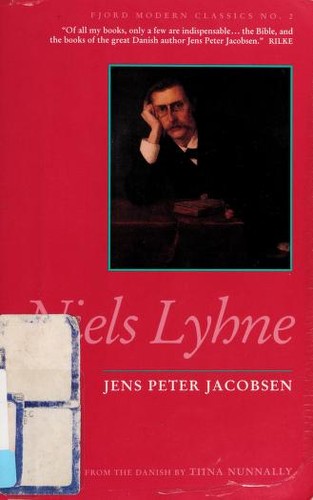
Niels Lyhne
First published 1889 · 329 pages
A lush, melancholic portrait of a soul slowly crushed by the weight of its own romantic ideals.
What it feels like
Reading this novel feels like walking through a beautiful, decaying autumn garden. It is a deeply introspective and leisurely experience, demanding that you slow down to absorb its lush, meticulously crafted sentences. The atmosphere is heavy with a distinctly Nordic melancholy, wrapping the reader in a somber, dreamlike haze of philosophical yearning. Rather than driving forward with plot, the narrative drifts through the internal landscapes of a mind caught between romantic illusions and a cold, godless reality. It is a book of profound emotional decay, tracing the slow death of youthful idealism into a quiet, stoic resignation. This is a masterpiece for readers who find comfort in beautiful sadness, delighting those who savor early modernist existentialism and the tragic poetry of unfulfilled potential.
- Mood
- autumnal
- introspective
- somber
- dreamlike
- Tone
- elegiac
- philosophical
- melancholic
- earnest
- Pace
- leisurely
- Themes
- romantic disillusionment · loss of faith · artistic paralysis · existential isolation · the burden of ideals
- The writing
- Lush, meticulously crafted, and highly aesthetic, blending botanical precision with sweeping poetic lyricism.
- The arc
- Begins with the fervent, dreamy yearning of youth and slowly decays into a profound, quiet resignation to life's harsh realities.
- Who it's for
- Lovers of 19th-century existentialism and decadent literature who savor beautiful, sad sentences about unfulfilled potential.
Content notes
- grief
- depression
- existential despair
- death of a child
- terminal illness
About the book
Niels Lyhne, an aspiring poet, is torn between the romanticism and faith of the old tradition, and modern notions of realism and reason. His relationship with different women, including his young aunt Edele, a free spirit of Copenhagen, and Mrs. Boye, a passionate artist, only lead him to further disillusionment as he searches for meaning in a rapidly changing world. Published in 1880, Niels Lyhne, Jacobsen’s second novel, was not as well received as his first, neither by reviewers nor the public. There wasn’t a second printing until after his death in 1885.
Description from Open Library.
Books like Niels Lyhne
See why they match A Doll's HouseHenrik IbsenA claustrophobic descent into the cracks of a seemingly perfect marriage, culminating in a quiet but earth-shattering rebellion.
 Elizabeth and Her German GardenElizabeth von ArnimA witty, sun-dappled retreat into a private sanctuary where blooming flowers are vastly preferred over polite society.
 ShirleyCharlotte BrontëA sweeping Victorian tapestry that weaves the fires of industrial rebellion with the quiet, burning intensity of female independence and slow-burn romance.
 Lady Audley's secretMary Elizabeth BraddonA deliciously scandalous Victorian thriller where a picture-perfect domestic facade hides a labyrinth of deceit, madness, and murder.
 The Linden LeafJane ArborA vintage, sun-drenched romance where stubborn pride and unexpected inheritance clash among the rolling vineyards of the Rhineland.
 CranfordDavid AscoliA warm, witty, and gently meandering stroll through the teacups, card games, and quiet dignities of a matriarchal English village.