Books › A father's story
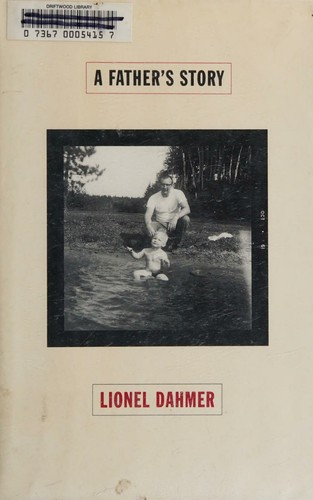
A father's story
270 pages
A harrowing, deeply uncomfortable descent into the mind of a father searching for the origins of his son's monstrous acts.
What it feels like
Reading this memoir feels like sitting in a small, dimly lit room with a man slowly breaking under the weight of an impossible reality. The pace is steady but suffocating, pulling you through the agonizing, incremental steps of a father's denial collapsing into horrifying acceptance. It is not a book about the sensationalism of the crimes, but rather a dread-soaked, introspective exploration of parental guilt and the terrifying limits of how well we can ever know our own children. The prose is methodical and painfully earnest, reflecting a scientific mind desperately trying to dissect a tragedy that defies logic. It will grip readers who seek profound psychological depth, true crime without the gloss, and unflinching examinations of family trauma.
- Mood
- dread-soaked
- claustrophobic
- melancholic
- harrowing
- Tone
- confessional
- anguished
- introspective
- somber
- searching
- Pace
- steady
- Themes
- parental guilt · limits of knowing someone · nature versus nurture · unfathomable grief · burden of legacy
- The writing
- Earnest, methodical, and painfully vulnerable, marked by a desperate need to explain the inexplicable.
- The arc
- Moves from shattering shock and desperate denial into a grueling, lifelong reckoning with unimaginable guilt.
- Who it's for
- Readers drawn to dark psychological true crime and profound explorations of family trauma and parental responsibility.
Content notes
- serial murder
- graphic violence
- severe psychological distress
- grief and trauma
- animal cruelty
About the book
On July 23, 1991, Milwaukee chemist Lionel Dahmer discovered - along with the rest of the world - that his son Jeffrey was a murderer who, over a period of many years, had carried out some of the most ghastly crimes ever committed in the United States. These crimes were so grisly that for a time Dahmer entered a world of complete denial - first convinced that Jeff was innocent, then later that he had been no more than the tool of some other, far more evil human being.
But as the evidence accumulated, it became clear that Jeffrey Dahmer had acted alone and that the "evil" that had compelled him was far more disturbing than any Lionel Dahmer might have imagined. As the trial progressed, and the crimes of his son were graphically detailed, Lionel Dahmer began to place himself in the dock beside his son. In the torturous weeks following Jeff's conviction, he continued descent toward that harrowing point at which the line of his own life.
Inevitably intersected with his son's. In doing so, he completed the darkest journey ever made by a stricken father - one that ultimately led one painful step at a time from his initial denial to a final admission of shattering intensity. A Father's Story cannot claim to have discovered the ultimate solution to the enigma of either the criminal or his deeds. It is, in fact, not the story of Jeffrey Dahmer at all, but of a father who, by slow, incremental degrees, came to.
Realize the saddest truth that any parent may ever know: that following some unknowable process, his child had somewhere crossed the line that divides the human from the monstrous. This memoir is not a refutation of charges, an attempt to change the record. It is both a touching family memoir and a haunting confession - the searing account of a man who never relented in his effort to fathom the deepest quarters of his son's affliction, even as they pointed to his own. It.
Is an important document on the nature of fatherhood, the origins of madness, and the role of kinship in the legacy of evil.
Description from Open Library.
Books like A father's story
See why they match The Stranger Beside MeAnn RuleA chilling, intimate descent into the sickening realization that a trusted friend is actually a monster.
 Cases That Haunt UsMark OlshakerA chilling, authoritative descent into the foundational cases of criminal psychology and the darkest realms of the human mind.
 MindhunterJohn E. Douglas and Mark OlshakerA chilling, clinical descent into the darkest corners of the human psyche, guided by the man who learned to think like a monster.
 The man with the candyJack OlsenA chilling, meticulously researched descent into a community's blind spots and the devastating cost of institutional apathy.
 A Mother's ReckoningSue KleboldA devastating, courageous excavation of a mother's worst nightmare and the agonizing search for answers in the wake of unimaginable tragedy.
 The private diary of Lyle MenendezLyle MenendezA deeply voyeuristic and unsettling descent into the mind of a notorious figure, told in his own defensive words.