Books › The man with the candy
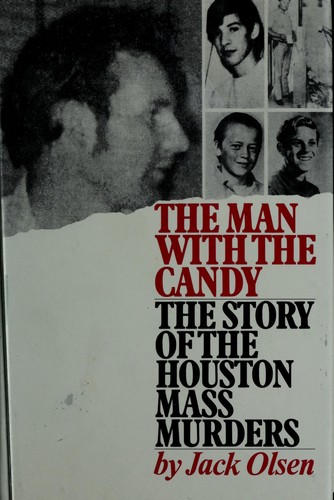
The man with the candy
First published 1974 · 255 pages
A chilling, meticulously researched descent into a community's blind spots and the devastating cost of institutional apathy.
What it feels like
Reading this book feels like peeling back the veneer of a bustling 1970s metropolis to reveal the rot underneath. It is a steady, dread-soaked experience that relies less on the sensational details of the crimes and more on the agonizing, slow-motion tragedy of a society looking the other way. The prose is journalistic and unadorned, allowing the sheer weight of the facts and the heartbreaking interviews with grieving, ignored parents to carry the emotional load. You will find yourself gripped not by a fast-paced thriller, but by a somber, infuriating examination of systemic failure and the banality of evil. It is a must-read for true crime purists who value sociological depth, empathy for victims, and unflinching investigative rigor.
- Mood
- dread-soaked
- oppressive
- bleak
- frustrating
- Tone
- journalistic
- indignant
- somber
- objective
- unflinching
- Pace
- steady
- Themes
- institutional apathy · loss of innocence · urban decay · the banality of evil · parental grief
- The writing
- Meticulous and unadorned, relying on stark facts and direct interviews to build a devastatingly clear picture.
- The arc
- Moves from a chilling sense of mounting dread to profound frustration at systemic failure, ending in a lingering, sorrowful outrage.
- Who it's for
- True crime aficionados who appreciate deep sociological context and investigative rigor over sensationalized gore.
Content notes
- child murder
- sexual violence
- police negligence
- serial killers
- grief
About the book
The night David Hilligiest didn't come home was both like and unlike other nights when other Houston boys disappeared between the years 1971 and 1973. At three in the morning the police were called, but they just said that boys were running away from the best of homes nowadays and that they'd list David as a runaway. No, there would be no official search for the youngster.
Aghast, the Hilligiests, in the months that followed, hired their own detective, put up posters, even sought the aid of clairvoyants. But David never did come home again because, along with at least twenty-six other Houston boys, he had been murdered and buried by the homosexual owner of a candy factory, the mass murderer of the century, Dean Corll, according to his two teenage confessed accomplices, Elmer Wayne Henley, Jr., and David Brooks. Many of the young boys had not even been reported as missing, and the fact that they were dead would probably never have come to light had not one of the murderers confessed. For in Houston, where in a typical year the total number of murders is twice that of London despite the fact that London is six times as large and far more densely populated, missing persons and violence are likely to be considered commonplace.
In the months before the trial of Henley and Brooks, Jack Olsen interviewed and probed for answers about the criminals, the victims and the city itself, which remained for the most part silent, angry and defensive. The result is a classic of true crime reportage.
Description from Open Library.
Books like The man with the candy
See why they match The Stranger Beside MeAnn RuleA chilling, intimate descent into the sickening realization that a trusted friend is actually a monster.
 Killing for CompanyBrian MastersA chilling, meticulously restrained descent into the suffocating loneliness and fractured mind of a notorious serial killer.
 A father's storyLionel DahmerA harrowing, deeply uncomfortable descent into the mind of a father searching for the origins of his son's monstrous acts.
 ZodiacRobert GraysmithA descent into an obsessive, dread-soaked labyrinth where every clue only deepens a terrifying, unsolved mystery.
 MindhunterJohn E. Douglas and Mark OlshakerA chilling, clinical descent into the darkest corners of the human psyche, guided by the man who learned to think like a monster.
 Cases That Haunt UsMark OlshakerA chilling, authoritative descent into the foundational cases of criminal psychology and the darkest realms of the human mind.