Books › A first course in differential equations with modeling applications
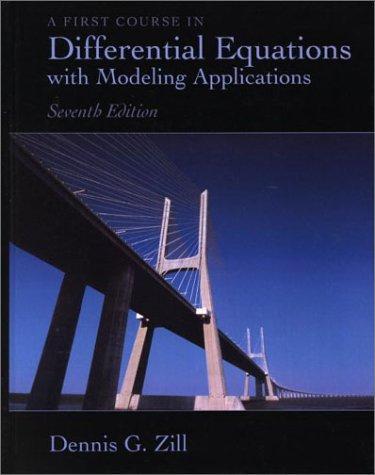
A first course in differential equations with modeling applications
First published 1997 · 512 pages
A rigorous, structured journey through the mathematics of change, offering the deep satisfaction of solving complex physical models.
What it feels like
Engaging with this text is less like reading a book and more like undertaking a rigorous mental workout. The atmosphere is deeply cerebral and highly structured, demanding a quiet room and a sharp pencil. It moves at a steady, deliberate pace, building complex ideas from foundational principles with objective clarity. The prose is methodical and precise, stripping away the superfluous to focus entirely on the mechanics of mathematical modeling. There is a distinct emotional arc to the experience: the initial intimidation of dense notation slowly gives way to the profound, hard-won satisfaction of finally understanding how to model physical reality. It is a deeply rewarding experience for STEM students and analytical thinkers who find beauty in logic and exactitude.
- Mood
- cerebral
- focused
- structured
- academic
- Tone
- objective
- instructive
- precise
- formal
- Pace
- steady
- Themes
- mathematical modeling · logical progression · problem-solving · understanding physical systems
- The writing
- Methodical, clear, and dense with notation, prioritizing absolute precision and step-by-step instruction over stylistic flourish.
- The arc
- Moves from the daunting complexity of new mathematical concepts to the profound satisfaction of mastering the equations that govern change.
- Who it's for
- Undergraduate STEM students and dedicated self-learners who want a solid, practical foundation in applied mathematics.
About the book
Includes index. System requirements for accompanying CD-ROM: Pentium III 800 Mhz, 128MB RAM; Mac OSX,
Description from Open Library.
Books like A first course in differential equations with modeling applications
See why they match Elementary differential equationsEarl David RainvilleA rigorous, deeply satisfying journey through the mechanics of mathematical modeling and problem-solving.
 StatisticsJohn E. FreundA rigorous, no-nonsense journey into the foundational logic of probability and data.
 Contemporary PrecalculusThomas W. HungerfordA structured, instructional guide to mastering mathematical functions and precalculus concepts.
 Numerical methods for mathematics, science, and engineeringJohn H. MathewsA rigorous, structured journey through the practical algorithms that bridge pure mathematics and computational reality.
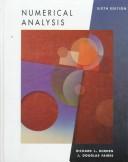 Numerical analysisFairesA rigorous, methodical descent into the mechanics of approximation, where abstract math meets computational reality.
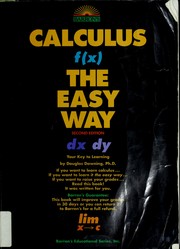 Calculus the easy wayDouglas DowningA whimsical fantasy adventure that sneaks up on you and teaches you the fundamental principles of calculus along the way.