Books › A first-rate madness

A first-rate madness
340 pages
A provocative and analytical exploration that reframes mental illness as a profound asset in times of historical crisis.
What it feels like
Reading this book feels like sitting in on a fascinating, paradigm-shifting lecture that bridges history and psychiatry. The pace is steady and deliberate, carefully building a controversial yet compelling argument through astute analysis of historical figures. The mood is deeply intellectual and reflective, asking the reader to reconsider deeply held assumptions about sanity, temperament, and success. The prose is robust and expansive, seamlessly weaving clinical insights on depression and mania with the biographical plights of iconic leaders. It is an earnest, thought-provoking experience that reframes psychological struggle as a source of realism, empathy, and resilience. This book will delight history buffs, psychology enthusiasts, and anyone drawn to provocative theories about what truly makes a great leader during our darkest hours.
- Mood
- thought-provoking
- reflective
- serious
- intellectual
- Tone
- analytical
- provocative
- astute
- earnest
- Pace
- steady
- Themes
- psychological complexity · leadership in crisis · depressive realism · hidden strengths of mental illness
- The writing
- Robust and expansive, blending astute historical analysis with accessible psychiatric research.
- The arc
- A shift from conventional assumptions about sanity to a profound appreciation for the hidden strengths forged in psychological struggle.
- Who it's for
- Readers fascinated by psychology, history, and provocative arguments that challenge conventional wisdom about mental health and leadership.
Content notes
- mental illness
- depression
- mood disorders
- bipolar disorder
About the book
An investigation into the surprisingly deep correlation between mental illness and successful leadership, as seen through some of history's greatest politicians, generals, and businesspeople. "A First-Rate Madness," Nassir Ghaemi, who runs the Mood Disorders Program at Tufts University Medical Center, draws from the careers and personal plights of such notable leaders as Lincoln, Churchill, Gandhi, Martin Luther King, Jr., JFK, and others from the past two centuries to build an argument at once controversial and compelling: the very qualities that mark those with mood disorders- realism, empathy, resilience, and creativity-also make for the best leaders in times of crisis. By combining astute analysis of the historical evidence with the latest psychiatric research, Ghaemi demonstrates how these qualities have produced brilliant leadership under the toughest circumstances. Take realism, for instance: study after study has shown that those suffering depression are better than "normal" people at assessing current threats and predicting future outcomes. Looking at Lincoln and Churchill among others, Ghaemi shows how depressive realism helped these men tackle challenges both personal and national. Or consider creativity, a quality psychiatrists have studied extensively in relation to bipolar disorder.
"A First-Rate Madness" shows how mania inspired General Sherman and Ted Turner to design and execute their most creative-and successful-strategies. Ghaemi's thesis is both robust and expansive; he even explains why eminently sane men like Neville Chamberlain and George W. Bush made such poor leaders. Though sane people are better shepherds in good times, sanity can be a severe liability in moments of crisis. A lifetime without the cyclical torment of mood disorders, Ghaemi explains, can leave one ill equipped to endure dire straits. He also clarifies which kinds of insanity-like psychosis-make for despotism and ineptitude, sometimes on a grand scale. Ghaemi's bold, authoritative analysis offers powerful new tools for determining who should lead us. But perhaps most profoundly, he encourages us to rethink our view of mental illness as a purely negative phenomenon. As "A First-Rate Madness" makes clear, the most common types of insanity can confer vital benefits on individuals and society at large-however high the price for those who endure these illnesses"--Provided by publisher.
Description from Open Library.
Books like A first-rate madness
See why they match An unquiet mindKay Redfield JamisonA fiercely articulate descent into the terrifying highs and crushing lows of a brilliant, fractured mind.
 Mad in AmericaRobert WhitakerA sobering, meticulously researched indictment of the psychiatric establishment that will leave you questioning everything you know about mental healthcare.
 The Psychopath TestJon RonsonA darkly funny, slightly paranoid plunge into the blurry line between eccentricity and clinical madness.
 The wisdom of psychopathsKevin DuttonA provocative, darkly fascinating romp through the human brain that asks if a little bit of ruthlessness might actually be a good thing.
 Lost connectionsJohann HariA deeply validating, journalistic journey that reframes our deepest psychological pains as a rational response to a disconnected world.
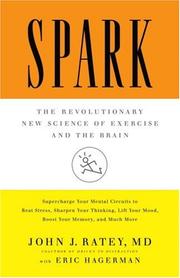 SparkJohn J. RateyAn empowering, science-backed wake-up call that will make you want to lace up your running shoes immediately.