Books › Lost connections

Lost connections
416 pages
A deeply validating, journalistic journey that reframes our deepest psychological pains as a rational response to a disconnected world.
What it feels like
Reading this book feels like sitting down with a deeply empathetic investigator who finally puts into words the vague, systemic unease you have been carrying for years. It moves at a brisk, engaging clip, blending the intimacy of a memoir with the expansive scope of global reportage. Instead of clinical detachment, the narrative is steeped in a warm, validating atmosphere that gently dismantles the idea of personal brokenness. As the author travels from laboratories to Amish communities, the mood shifts from the claustrophobia of isolated suffering to a profound, hopeful sense of shared humanity. It is a deeply comforting read for anyone exhausted by the modern world, offering not just a diagnosis of our collective alienation, but a compassionate roadmap back to one another.
- Mood
- validating
- reflective
- hopeful
- expansive
- Tone
- earnest
- inquisitive
- empathetic
- urgent
- persuasive
- Pace
- brisk
- Themes
- modern alienation · the search for meaning · community healing · systemic roots of pain · redefining mental health
- The writing
- Accessible and narrative-driven, blending the author's vulnerable personal confessions with engaging, globe-trotting reportage.
- The arc
- Begins in the isolating depths of personal despair and gradually opens outward into a validating, hopeful vision of collective healing.
- Who it's for
- Anyone who has ever felt that their anxiety or depression was a personal failure, and who craves a more holistic, society-level explanation for modern suffering.
Content notes
- depression
- anxiety
- suicidal ideation
- trauma
- addiction
About the book
"Across the world, Hari found social scientists who were uncovering evidence that depression and anxiety are not caused by a chemical imbalance in our brains. In fact, they [believe they] are largely caused by key problems with the way we live today. Hari's journey took him from a... series of experiments in Baltimore, to an Amish community in Indiana, to an uprising in Berlin. Once he had uncovered [what he argues are] nine real causes of depression and anxiety, they led him to scientists who are discovering seven very different solutions"--Amazon.com.
Description from Open Library.
Books like Lost connections
See why they match The Anxious GenerationJonathan HaidtA sobering but ultimately empowering investigation into how screens rewired childhood and how society can reclaim it.
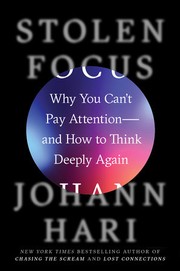 Stolen FocusJohann HariA deeply validating investigation into why your brain feels broken, shifting the blame from your willpower to the world around you.
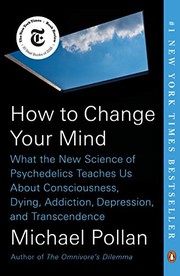 How to Change Your MindMichael PollanA grounded, deeply curious journey into the science and spirituality of altered states that will make you rethink the boundaries of your own mind.
 Dopamine NationAnna LembkeA compassionate, eye-opening look at why we cannot stop scrolling, snacking, and striving, offering a science-backed path back to baseline.
 The Hilarious World of DepressionJohn MoeA funny, deeply validating embrace for anyone who has ever used a punchline to deflect from their own inner darkness.
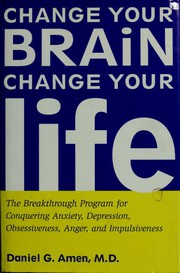 Change your brain, change your lifeDaniel G. Amen M.D.A clinical yet deeply hopeful manual that reframes emotional struggles as biological puzzles with actionable solutions.