Books › A history of building types

A history of building types
First published 1976 · 352 pages
A masterclass in looking at the built environment, revealing how human institutions shaped the very walls around us.
What it feels like
Reading this book feels like walking through a sprawling, meticulously curated museum of human civilization with the world's most knowledgeable docent. It is a steady, deeply intellectual journey that shifts your gaze from the aesthetic facades of buildings to their functional souls. The prose is erudite and academic, demanding your attention as it traces the lineage of hospitals, prisons, and railway stations, revealing how shifting societal needs dictated architectural form. The mood is contemplative and structured, wrapping the reader in a quiet atmosphere of historical discovery. It will thoroughly delight architecture enthusiasts, urbanists, and anyone who has ever looked at a public building and wondered about the historical and cultural forces that demanded its creation.
- Mood
- intellectual
- structured
- contemplative
- Tone
- erudite
- authoritative
- analytical
- scholarly
- Pace
- steady
- Themes
- form and function · societal evolution · institutional history · the built environment · architectural purpose
- The writing
- Precise, academic, and methodical, prioritizing clarity and exhaustive detail over stylistic flourish.
- The arc
- Moves from a baseline of historical curiosity to a deep, structured appreciation for how human needs physically manifest in the world.
- Who it's for
- Architecture buffs, urban historians, and curious minds who want to understand the societal forces that birthed hospitals, libraries, and railway stations.
About the book
Bibliography: p. 295-328. An expanded version of the A. W. Mellon Lectures in the fine arts, 1970, delivered at the National Gallery of Art, Washington, D.C. Includes index.
Description from Open Library.
Books like A history of building types
See why they match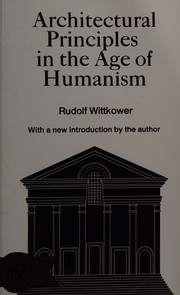 Architectural principles in the age of humanismRudolf WittkowerA cerebral and illuminating exploration of the hidden mathematical and philosophical harmonies that shape physical space.
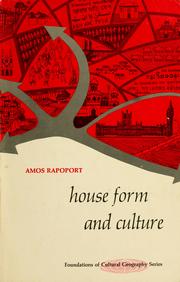 House form and cultureAmos RapoportA fascinating, grounded exploration of how our deepest cultural values physically manifest in the spaces we call home.
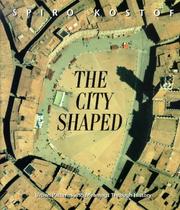 The city shapedSpiro KostofA sweeping, deeply observant journey that transforms the chaotic sprawl of human settlements into a readable, fascinating historical map.
 The city in historyLewis MumfordA sweeping, philosophical journey through the stone, steel, and spirit of human civilization.
 1001 buildings you must see before you dieMark IrvingA globe-trotting, century-spanning visual feast that celebrates the monumental achievements of human design.
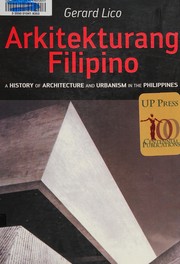 Arkitekturang FilipinoGerard LicoA sweeping, meticulously researched exploration of how wood, stone, and concrete hold the complex story of a nation's identity.