Books › A history of India
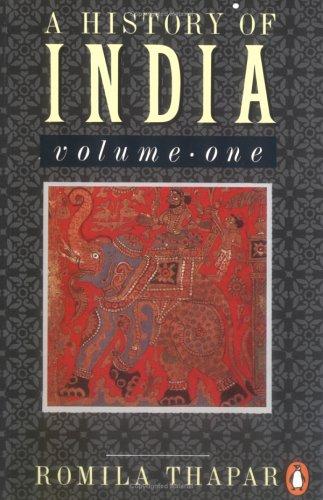
A history of India
Volume 1 (Penguin History)
First published 1965 · 384 pages
A sweeping, intellectually rigorous journey through the social and cultural bedrock of an ancient civilization.
What it feels like
Reading this foundational history feels like stepping into a vast, meticulously organized archive guided by a brilliant and steady hand. The pace is deliberate and measured, demanding your full attention as it weaves together the complex threads of religion, art, economics, and social structures over millennia. It eschews the breathless drama of kings and battles in favor of a deeply analytical, illuminating exploration of how a civilization actually lived and evolved. The mood is expansive and intellectual, replacing colonial myths with a grounded, nuanced reality. It is a deeply satisfying read for those who want to understand the 'why' and 'how' of ancient societies, offering a profound sense of clarity and historical continuity by the final page.
- Mood
- intellectual
- expansive
- contemplative
- Tone
- authoritative
- analytical
- scholarly
- measured
- illuminating
- Pace
- steady
- Themes
- cultural evolution · societal transformation · historical continuity · dismantling myths · institutional development
- The writing
- The prose is lucid, meticulously structured, and academic without being impenetrable, prioritizing clarity and analytical depth.
- The arc
- The reader journeys from a sense of overwhelming antiquity to a grounded, nuanced appreciation of a deeply complex civilization.
- Who it's for
- Readers who crave a rigorous, foundational understanding of ancient societies and appreciate history told through social and cultural lenses rather than mere lists of kings.
Content notes
- historical warfare
- caste-based discrimination
- religious conflict
About the book
The first volume traces the evolution of India before contact with modern Europe was established in the sixteenth century, highlighting the many manifestations of Indian culture as seen in religion, art and literature, in ideas and institutions. In volume two, emphasis is placed on the unity of texture in the development of Indian society.
Description from Open Library.
Books like A history of India
See why they match The wonder that was IndiaBasham, A. L.A sweeping, deeply affectionate journey through the art, faith, and daily life of an ancient world.
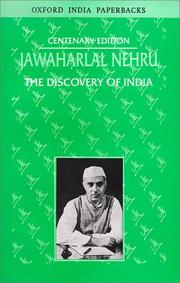 The discovery of IndiaJawaharlal NehruA sweeping, deeply personal meditation on the soul, history, and enduring resilience of an ancient civilization.
 IndiaJohn KeayA sweeping, erudite journey through millennia of empires, migrations, and cultural synthesis.
 A textbook of historiography, 500 B.C. to A.D. 2000E. SreedharanA rigorous, sweeping intellectual journey through the ways humanity has recorded and interpreted its own past.
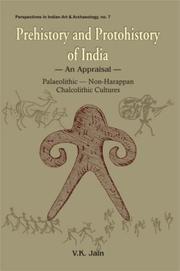 Prehistory and Protohistory of IndiaVardhman Kumar JainA scholarly excavation of deep time, unearthing both the material artifacts and the spiritual foundations of ancient Indian civilization.
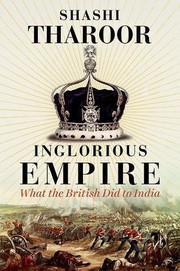 Inglorious EmpireShashi TharoorA fiercely articulate and righteous dismantling of imperial myths that leaves you intellectually electrified and profoundly indignant.