Books › India
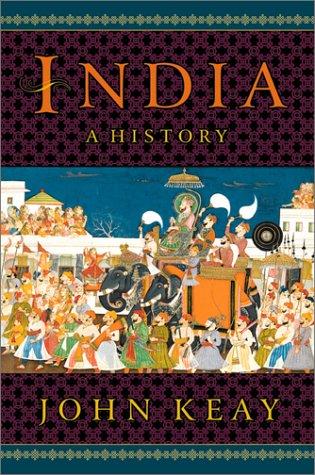
India
670 pages
A sweeping, erudite journey through millennia of empires, migrations, and cultural synthesis.
What it feels like
Reading this book feels like standing at the confluence of great rivers, watching millennia of human endeavor wash over the landscape. It is a steady, immersive experience that balances the grand sweep of empires with the intricate details of cultural and religious evolution. The prose is elegant and authoritative, guiding the reader through complex centuries of invasion, synthesis, and resistance without ever losing the narrative thread. There is a profound sense of scale here, a mood that is both epic and deeply contemplative, as ancient myths are carefully untangled from historical realities. It is the perfect companion for the patient, curious reader who wants to feel the immense weight and vibrant texture of a civilization's long, turbulent journey into the modern era.
- Mood
- epic
- immersive
- contemplative
- grand
- Tone
- authoritative
- engaging
- scholarly
- sweeping
- nuanced
- Pace
- steady
- Themes
- cultural synthesis · rise and fall of empires · the weight of history · colonization and resistance · myth versus reality
- The writing
- Elegant and narrative-driven, balancing dense historical scholarship with accessible, sweeping storytelling.
- The arc
- Moves from a sense of ancient wonder through the turbulence of conquest, culminating in the complex reality of modern independence.
- Who it's for
- Patient history enthusiasts and curious travelers seeking a comprehensive, deeply researched understanding of the subcontinent.
Content notes
- war and conquest
- colonization
- religious violence
- political suppression
About the book
"This book is a compelling epic of cultures and conquest, colonization and independence. It vividly re-creates the turning points of Indian history and brings to life the leaders who shaped India's evolution, from Ashoka, the "Caesar of Ancient India," who ruled the vast Mauryan empire in the third century B.C., to twentieth-century figures such as Mahatma Gandhi and Jawaharlal Nehru.
Along the way Keay provides fresh insights into the patterns of invasion and migration that have stirred the subcontinent's cultures for centuries, from the "Aryan" invaders, to Alexander's Macedonian armies, to the Islamic conquerors, to the coming of the East India Company and the establishment of the British Raj. He also profiles the rise of religions and philosophies that have profoundly shaped these cultures, including Hinduism, Buddhism, and Islam.".
"Throughout the book Keay synthesizes recent revelations from archaeology, anthropology, and textual scholarship to explode the myths that have plagued the highly politicized historiography of the region.
He investigates the controversy surrounding the origins of the Harappan peoples who built the first cities of the subcontinent, explains the cultural and political significance of India's architectural marvels such as the Taj Mahal, and details the bloody suppressions that characterized the "Pax Britannica" of the Raj."--BOOK JACKET.
Description from Open Library.
Books like India
See why they match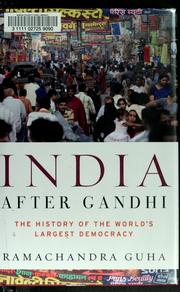 India after GandhiRamachandra GuhaA sweeping, monumental journey through the chaotic, improbable, and triumphant survival of the world's largest democracy.
 The wonder that was IndiaBasham, A. L.A sweeping, deeply affectionate journey through the art, faith, and daily life of an ancient world.
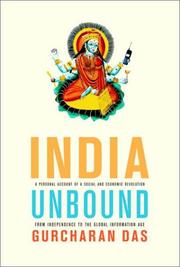 India unboundGurcharan DasA sweeping, deeply personal journey through the economic and social awakening of a modern superpower.
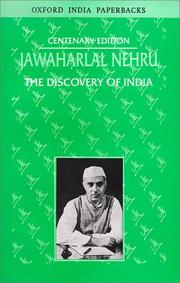 The discovery of IndiaJawaharlal NehruA sweeping, deeply personal meditation on the soul, history, and enduring resilience of an ancient civilization.
 Inglorious EmpireShashi TharoorA fiercely articulate and righteous dismantling of imperial myths that leaves you intellectually electrified and profoundly indignant.
 A history of IndiaRomila ThaparA sweeping, intellectually rigorous journey through the social and cultural bedrock of an ancient civilization.