Books › A Moveable Feast
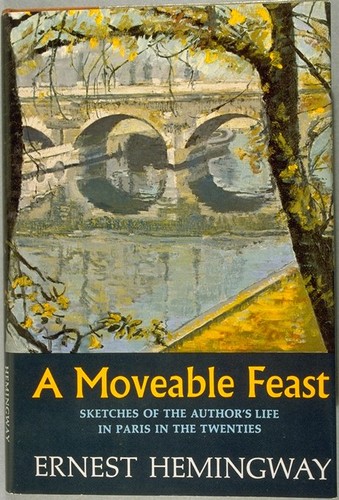
A Moveable Feast
254 pages
A bittersweet, cafe-scented love letter to the hunger of youth, artistic ambition, and the ghosts of 1920s Paris.
What it feels like
Reading this memoir feels like sitting in a warm, dimly lit Parisian cafe on a rainy afternoon, nursing a glass of crisp white wine while listening to a brilliant, slightly cynical friend spin tales of their youth. The pace is leisurely and episodic, drifting from cold apartments to bustling bistros, driven not by plot but by the sensory textures of memory—the taste of oysters, the smell of pencil shavings, the sharp bite of literary gossip. It is steeped in a wistful, autumnal mood, capturing the fleeting magic of being young, poor, and fiercely ambitious. It will deeply delight readers who crave atmospheric, unadorned prose and harbor a romantic fascination with the Lost Generation and the bittersweet ache of looking back.
- Mood
- wistful
- atmospheric
- romantic
- cafe-scented
- Tone
- nostalgic
- wry
- observant
- bittersweet
- intimate
- Pace
- leisurely
- Themes
- the hunger of youth · artistic ambition · the fleeting nature of happiness · expatriate camaraderie · the romance of memory
- The writing
- Crisp, unadorned, and rhythmically precise, the sentences rely on sharp sensory details and understated emotion to evoke a vivid sense of place.
- The arc
- The journey shifts from the bright, hungry optimism of early artistic struggle to a profound, lingering ache for a lost era and a fractured innocence.
- Who it's for
- Readers who romanticize the literary history of 1920s Paris and savor evocative, atmospheric writing about food, drink, and the creative life.
Content notes
- alcohol consumption
- infidelity
- suicide (authorial context)
About the book
A Moveable Feast is a 1964 memoir belles-lettres by American author Ernest Hemingway about his years as a struggling expat journalist and writer in Paris during the 1920s. It was published posthumously.[1] The book details Hemingway's first marriage to Hadley Richardson and his associations with other cultural figures of the Lost Generation in Interwar France.
The memoir consists of various personal accounts by Hemingway and involves many notable figures of the time, such as Sylvia Beach, Hilaire Belloc, Bror von Blixen-Finecke, Aleister Crowley, John Dos Passos, F. Scott and Zelda Fitzgerald, Ford Madox Ford, James Joyce, Wyndham Lewis, Pascin, Ezra Pound, Evan Shipman, Gertrude Stein, Alice B. Toklas, and Hermann von Wedderkop. The work also references the addresses of specific locations such as bars, cafes, and hotels, many of which can still be found in Paris today.
Ernest Hemingway's suicide in July 1961 delayed the publication of the book due to copyright issues and several edits which were made to the final draft. The memoir was published posthumously in 1964, three years after Hemingway's death, by his fourth wife and widow, Mary Hemingway, based upon his original manuscripts and notes. An edition altered and revised by his grandson, Seán Hemingway, was published in 2009.
Description from Open Library.
Books like A Moveable Feast
See why they match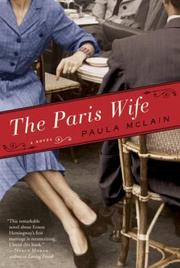 The Paris wifePaula McLainAn intoxicating, bittersweet plunge into the glamorous and heartbreaking world of 1920s bohemian Paris through the eyes of a woman losing her marriage to a legend.
 The Sun Also RisesErnest HemingwayA sun-drenched, alcohol-soaked drift through 1920s Europe, where unspoken grief hides behind endless glasses of wine.
 Death in the afternoonErnest HemingwayA sun-baked, blood-soaked meditation on courage, art, and the ultimate reality of death.
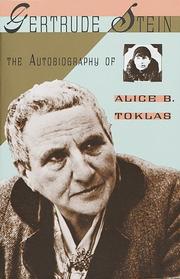 The Autobiography of Alice B. ToklasGertrude SteinA witty, name-dropping stroll through the Parisian avant-garde, told through a brilliant act of literary ventriloquism.
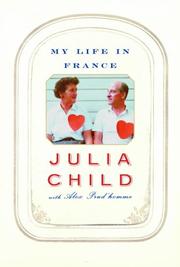 My life in FranceJulia Child; Alex Prud'hommeA joyous, butter-soaked love letter to French cuisine, late-blooming passion, and a deeply devoted marriage.
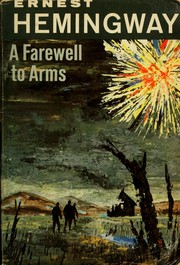 A Farewell to ArmsHemingway ErnestA stark, rain-swept tragedy where love offers a fleeting, desperate shelter from the relentless machinery of war.