Books › A Sand County Almanac

A Sand County Almanac
First published 1977 · 320 pages
A quiet, deeply observant meditation on the changing seasons and humanity's ethical bond with the earth.
What it feels like
Reading this book feels like sitting quietly in a woodland cabin, watching the slow, inevitable turn of the seasons. The pace is leisurely and deliberate, inviting you to slow down and notice the frost on the grass or the migration of geese. It begins as a tranquil, deeply grounded journal of natural history, full of sensory details that smell of pine needles and damp earth. As the pages turn, the mood shifts from simple reverence to a more elegiac, philosophical contemplation of humanity's footprint on the wild. The prose is both scientifically precise and quietly poetic, making it a perfect companion for readers who seek solace in nature and care deeply about the ethical stewardship of our planet.
- Mood
- tranquil
- contemplative
- grounded
- autumnal
- Tone
- reverent
- observant
- philosophical
- elegiac
- earnest
- Pace
- leisurely
- Themes
- the passage of time · deep ecology · humanity's bond with nature · quiet observation · ethical stewardship
- The writing
- Lyrical and precise, blending the sharp eye of a scientist with the soul of a poet.
- The arc
- Begins with a peaceful immersion in the rhythms of the seasons before deepening into an urgent, philosophical plea for ecological stewardship.
- Who it's for
- Readers who find solace in the woods and want to think deeply about their ethical relationship to the natural world.
Content notes
- animal death
- hunting
- environmental degradation
About the book
First published in 1949 and praised in The New York Times Book Review as a trenchant book, full of vigor and bite, A Sand County Almanac combines some of the finest nature writing since Thoreau with an outspoken and highly ethical regard for Americas relationship to the land. Written with an unparalleled understanding of the ways of nature, the book includes a section on the monthly changes of the Wisconsin countryside; another part that gathers informal pieces written by Leopold over a forty-year period as he traveled through the woodlands of Wisconsin, Iowa, Arizona, Sonora, Oregon, Manitoba, and elsewhere; and a final section in which Leopold addresses the philosophical issues involved in wildlife conservation. As the forerunner of such important books as Annie Dillards Pilgrim at Tinker Creek, Edward Abbeys Desert Solitaire, and Robert Finchs The Primal Place, this classic work remains as relevant today as it was forty years ago.
Description from Open Library.
Books like A Sand County Almanac
See why they match Pilgrim at Tinker CreekAnnie DillardA luminous, deeply observant meditation on the terrifying beauty and spiritual mystery of the natural world.
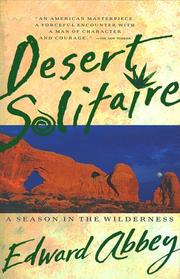 Desert solitaireEdward AbbeyA fierce, sun-baked love letter to the American Southwest that bites as hard as it swoons.
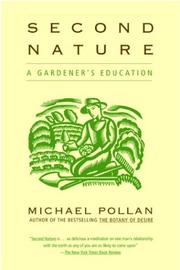 Second NatureMichael PollanA wry, philosophical stroll through the garden that digs deep into the messy, often humorous borders between human cultivation and untamed wilderness.
 Silent SpringRachel CarsonA haunting, beautifully written alarm bell that shatters the illusion of human dominion over nature.
 One man's wildernessRichard Proenneke and Sam KeithA quiet, deeply satisfying immersion into the ultimate fantasy of leaving society behind to build a life by hand in the wild.
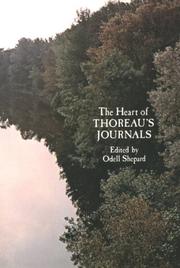 JournalHenry David ThoreauA quiet, deeply observant walk through the woods with a mind that sees the universe in a single leaf.