Books › Second Nature

Second Nature
a gardener's education
First published 1997 · 320 pages
A wry, philosophical stroll through the garden that digs deep into the messy, often humorous borders between human cultivation and untamed wilderness.
What it feels like
Reading this book feels like leaning on a fence post with a witty, deeply thoughtful neighbor who has just lost a battle with a woodchuck and gained a profound insight into the universe. The pace is leisurely and meditative, allowing the prose to bloom into beautifully written reflections on the troubled borders between contemporary life and the natural world. It balances wry humor with earnest philosophical inquiry, moving from the idealistic failures of a modern Thoreau to a grounded, earthy understanding of cultivation. Blending autobiography, social history, and horticultural musings, the narrative creates a contemplative, pastoral mood. It is a perfect fit for readers who delight in sharp nature writing and the quiet, complex politics of planting a tree.
- Mood
- earthy
- contemplative
- pastoral
- Tone
- wry
- philosophical
- meditative
- humorous
- Pace
- leisurely
- Themes
- humanity's relationship with wilderness · the philosophy of gardening · nature versus contemporary life · the ethics of cultivation
- The writing
- Beautifully written, blending thoughtful meditation with sharp social history and autobiographical humor.
- The arc
- Moves from idealistic, hands-off romanticism to a grounded, humorous, and profound understanding of humanity's active role in nature.
- Who it's for
- Readers who enjoy philosophical nature writing, wry memoirs, and deep dives into the cultural significance of everyday horticulture.
Content notes
- animal pest control
- pesticide use
About the book
One day, Harper's Magazine editor Michael Pollan bought an old Connecticut dairy farm. He planted a garden and attempted to follow Thoreau's example: do not impose your will upon the wilderness, the woodchucks, or the weeds. That ethic, of course, did not work. But neither did pesticides or firebombing the woodchuck burrow. So Pollan began to think about the troubled borders between nature and contemporary life. The result is a funny, profound, and beautifully written book which has become a classic of American nature writing. It inspires thoughts on the war of the roses; sex and class conflict in the garden; virtuous composting; the American lawn; seed catalogs, and the politics of planting a tree. A blend of meditation, autobiography, and social history, Second Nature is ultimately a modern Walden.--From publisher description.
Description from Open Library.
Books like Second Nature
See why they match Omnivore's Dilemma. A Natural History of Four MealsMichael PollanAn eye-opening, dirt-under-the-fingernails journey tracing the hidden paths our food takes before it reaches the plate.
 Animal, Vegetable, MiracleBarbara Kingsolver, Camille Kingsolver and othersA warm, dirt-under-the-fingernails memoir that invites you to slow down and taste the seasons.
 The botany of desireMichael PollanA paradigm-shifting stroll through the garden that makes you wonder who is really cultivating whom.
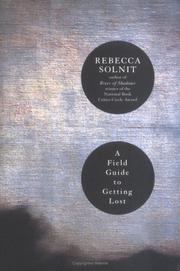 A Field Guide to Getting LostRebecca SolnitA lyrical, associative journey that invites you to surrender to the beauty of not knowing exactly where you are.
 Gaia's GardenToby HemenwayA hopeful, hands-in-the-dirt manual for turning any patch of land into a thriving, self-sustaining ecosystem.
 A Sand County AlmanacAldo LeopoldA quiet, deeply observant meditation on the changing seasons and humanity's ethical bond with the earth.