Books › A short guide to writing about film

A short guide to writing about film
First published 1989 · 264 pages
A pragmatic, illuminating toolkit that transforms the passive act of watching movies into the active art of critical observation.
What it feels like
Reading this guide feels like sitting in a sunlit university seminar room with a deeply knowledgeable, endlessly patient professor. The pace is steady and deliberate, designed not to be rushed but to be absorbed and applied. It cultivates a mood of focused illumination, stripping away the intimidation of academic film theory and replacing it with accessible, structured clarity. The prose is lucid and pragmatic, prioritizing the reader's understanding over stylistic flourish, making complex concepts like mise-en-scène and auteur theory feel immediately graspable. It is a deeply empowering experience, shifting the reader from a passive spectator to an active, articulate critic. This is the perfect companion for film students, aspiring reviewers, and devoted cinephiles who want to translate their visceral love of cinema into sharp, persuasive prose.
- Mood
- focused
- illuminating
- scholarly
- structured
- Tone
- instructive
- analytical
- encouraging
- authoritative
- Pace
- steady
- Themes
- critical thinking · visual literacy · translating art to text · cinematic appreciation
- The writing
- Lucid, pragmatic, and highly structured, designed to demystify complex theoretical concepts without losing academic rigor.
- The arc
- Transitions the reader from a passive consumer of moving images to an empowered, articulate critic.
- Who it's for
- Film students, aspiring critics, and passionate cinephiles eager to transform their love of movies into sharp, persuasive essays.
About the book
This best-selling text is a succinct guide to thinking critically and writing precisely about film. Both an introduction to film study and a practical writing guide, this brief text introduces students to major film theories as well as film terminology, enabling them to write more thoughtfully and critically. With numerous student and professional examples, this engaging and practical guide progresses from taking notes and writing first drafts to creating polished essays and comprehensive research projects. Moving from movie reviews to theoretical and critical essays, the text demonstrates how an analysis of a film can become more subtle and rigorous as part of a compositional process. Concise explorations of the most important approaches to film analysis and writing about film, including auteurs, genres, ideology, kinds of formalism, and national cinemas, give students a quick course in the fundamentals for film theory. A range of film terms and topics, including mise-en-scéne, point-of-view, composition, realism, and so on, are introduced, so students understand and use correct terminology. Each chapter concludes with short writing exercises that help students view, evaluate, and write about film more critically. Guidance on working with electronic sources helps students understand the limitations and pitfalls of electronic research. A comprehensive Glossary allows students to accurately describe their observations of the details of film practice. A wealth of images features captions with pedagogical directions. - Publisher.
Description from Open Library.
Books like A short guide to writing about film
See why they match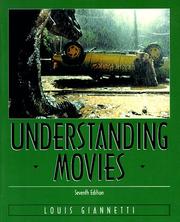 Understanding moviesLouis D. GiannettiAn illuminating masterclass that forever changes how you watch the silver screen.
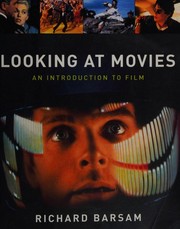 Looking at MoviesRichard Meran BarsamAn illuminating, structured masterclass that transforms passive movie-watching into active, critical appreciation.
 A history of narrative filmDavid A. CookA sweeping, encyclopedic journey through the darkened theaters of history, tracing how moving pictures learned to tell stories.
 CinematographyBlain BrownA comprehensive, cutting-edge roadmap to the evolving art and craft of visual storytelling.
 Reading Like a WriterFrancine ProseAn invitation to slow down, pull up a chair, and marvel at the architecture of a perfectly crafted sentence.
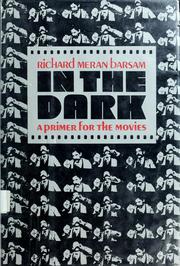 In the darkRichard Meran BarsamAn illuminating journey behind the camera that transforms young moviegoers into thoughtful students of cinema.