Books › Understanding movies

Understanding movies
611 pages
An illuminating masterclass that forever changes how you watch the silver screen.
What it feels like
Reading this book feels like being handed a pair of X-ray glasses for the cinema. It moves at a steady, methodical pace, inviting you to pause and reevaluate every movie you have ever loved. The mood is deeply intellectual yet wonderfully accessible, stripping away the intimidation of film theory to reveal the deliberate, mechanical magic of visual storytelling. The prose is clear and authoritative, acting as an enthusiastic guide through the complex language of camera angles, lighting, and editing. It is less about memorizing academic terms and more about experiencing a profound awakening of visual literacy. Perfect for cinephiles and curious moviegoers alike, it transforms the passive act of watching into an active, deeply rewarding engagement with art.
- Mood
- intellectual
- illuminating
- engaged
- observant
- Tone
- informative
- analytical
- accessible
- authoritative
- Pace
- steady
- Themes
- visual literacy · the mechanics of meaning · the language of cinema · artistic intentionality
- The writing
- Clear, methodical, and highly readable, breaking down complex aesthetic theories into digestible, well-illustrated concepts.
- The arc
- Transforms the reader from a passive spectator into an active, enlightened observer of visual storytelling.
- Who it's for
- Cinephiles, film students, and curious moviegoers eager to peek behind the curtain of cinematic construction.
Content notes
- discussions of mature cinematic themes
- descriptions of film violence
About the book
Annotation. Designed to help movie watchers analyze films with precision and technical sophistication, this book focuses on formalism--how the forms of the film (e.g., camera work, editing, photography, etc.) create meaning. It sheds light on how television and movies communicate, and the complex network of language systems they use. Chapter topics cover developments from all aspects of cinema, contemporary films, personalities in the field, photography, movement, editing, sound, acting, drama, story writing, and theory. For movie critics and fans alike.
Description from Open Library.
Books like Understanding movies
See why they match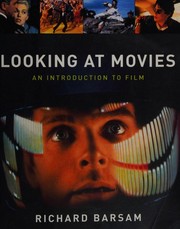 Looking at MoviesRichard Meran BarsamAn illuminating, structured masterclass that transforms passive movie-watching into active, critical appreciation.
 A history of narrative filmDavid A. CookA sweeping, encyclopedic journey through the darkened theaters of history, tracing how moving pictures learned to tell stories.
 A short guide to writing about filmTimothy CorriganA pragmatic, illuminating toolkit that transforms the passive act of watching movies into the active art of critical observation.
 CinematographyBlain BrownA comprehensive, cutting-edge roadmap to the evolving art and craft of visual storytelling.
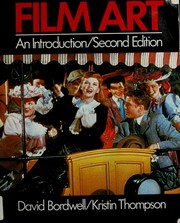 Film artDavid BordwellAn illuminating masterclass that permanently changes how you watch movies by revealing the invisible machinery of cinema.
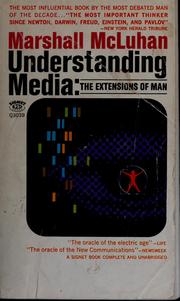 Understanding MediaMarshall McLuhanA visionary, paradigm-shifting exploration that permanently alters how you perceive the invisible technological environments shaping human consciousness.