Books › A Vindication of Rights of Woman

A Vindication of Rights of Woman
with Strictures on Policial and Moral SUBJECTs (Collected Works of Mary Wollstonecraft)
542 pages
A fiery, foundational treatise that dismantles the gilded cage of 18th-century femininity with sharp reason and unapologetic passion.
What it feels like
Reading this foundational text feels like sitting across from a brilliant, fiercely indignant intellect who refuses to be silenced. The prose is undeniably eighteenth-century, dense, rhetorical, and demanding of your full attention, yet it pulses with a revolutionary energy that feels startlingly urgent. The author's tone is a masterful blend of cold rationality and fiery passion, systematically dismantling the societal norms that reduce women to decorative objects. The mood is defiant and intellectually rigorous, inviting the reader to share in her frustration and her soaring vision for emancipation through education. It is a steady, thought-provoking journey perfect for readers who love tracing the roots of modern feminism and reveling in the sheer power of a historically earth-shattering polemic.
- Mood
- intellectual
- defiant
- urgent
- revolutionary
- Tone
- passionate
- indignant
- earnest
- polemical
- forthright
- Pace
- steady
- Themes
- intellectual emancipation · stifling societal expectations · moral necessity of education · dignity of independence
- The writing
- Dense, rhetorical 18th-century prose marked by sharp metaphors, rigorous logic, and fiery conviction.
- The arc
- Moves from a simmering frustration with the patriarchal status quo to a soaring, impassioned plea for intellectual and moral equality.
- Who it's for
- Readers fascinated by intellectual history and the foundational, impassioned arguments of early feminist theory.
Content notes
- historical sexism
- misogyny
About the book
From Goodreads: Writing in an age when the call for the rights of man had brought revolution to America and France, Mary Wollstonecraft produced her own declaration of female independence in 1792. Passionate and forthright, A Vindication of the Rights of Woman attacked the prevailing view of docile, decorative femininity, and instead laid out the principles of emancipation: an equal education for girls and boys, an end to prejudice, and for women to become defined by their profession, not their partner. Mary Wollstonecraft's work was received with a mixture of admiration and outrage - Walpole called her 'a hyena in petticoats' - yet it established her as the mother of modern feminism.
Description from Open Library.
Books like A Vindication of Rights of Woman
See why they match The Subjection of WomenJohn Stuart MillA methodical, impassioned dismantling of patriarchal logic that feels as urgent today as it did in the nineteenth century.
 Rights of ManThomas PaineA fiery, foundational defense of human dignity that dismantles the divine right of kings with sharp, accessible rhetoric.
 Room of Ones Own Three GuineasVirginia WoolfA fiery, sophisticated exploration of female creativity, economic independence, and the societal impacts of militarism.
 The Feminine MystiqueBetty FriedanA galvanizing exploration of the quiet, suffocating dissatisfaction of mid-century domesticity that sparked a revolution.
 The female eunuchGermaine GreerA searing, passionately argued treatise that delivers a shock wave of recognition regarding the social and psychological conditioning of women.
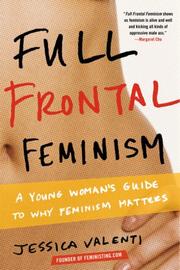 Full Frontal FeminismJessica ValentiA smart, relatable, and forward-looking guide that galvanizes a new generation to unapologetically demand equality and justice.