Books › Rights of Man

Rights of Man
First published 1837 · 1151 pages
A fiery, foundational defense of human dignity that dismantles the divine right of kings with sharp, accessible rhetoric.
What it feels like
Reading this foundational text feels like stepping into the heated atmosphere of an eighteenth-century tavern debate. The prose is remarkably brisk and accessible, stripping away the dense, aristocratic language of its era to speak directly to the common person. It radiates a defiant, revolutionary mood, driven by a passionate belief in inherent human dignity and a fierce rejection of inherited power. You can feel the author's righteous indignation crackling on the page, slowly giving way to a soaring, optimistic vision of a democratic future. It is an intellectually charged experience that will delight history buffs, political philosophy enthusiasts, and anyone who loves a fiercely argued, historically monumental polemic that still echoes in modern debates about human rights.
- Mood
- urgent
- revolutionary
- intellectually charged
- rebellious
- Tone
- defiant
- passionate
- polemical
- earnest
- persuasive
- Pace
- brisk
- Themes
- inherent human dignity · dismantling tradition · the illegitimacy of inherited power · natural vs. civil rights · the necessity of revolution
- The writing
- Direct, forceful, and remarkably accessible, wielding sharp rhetoric and plain language designed to ignite the common reader.
- The arc
- Begins with righteous indignation against aristocratic privilege and builds toward a soaring, optimistic vision of democratic equality.
- Who it's for
- History buffs and political philosophy enthusiasts who are stirred by the foundational rhetoric of revolution and human rights.
Content notes
- political violence
- class oppression
- discussions of war
About the book
Written in a fit of pique brought about by Edmund Burke's blistering attack of the French Revolution, Paine's The Rights of Man has come to be regarded as one of the most important works in the realm of Western political philosophy. In it, Paine contends that some rights that are granted through natural law, rather than by governments or constitutions. A must-read for those interested in politics, philosophy, and the intersection of the two.
Description from Open Library.
Books like Rights of Man
See why they match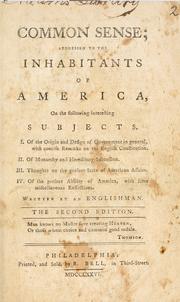 Common SenseThomas PaineA fiery, plainspoken match struck in the dark of political complacency, designed to ignite a revolution.
 The Age of ReasonThomas PaineA fiery, unapologetic dismantling of religious dogma fueled by the unyielding light of human reason.
 Essay concerning the true original extent and end of civil governmentJohn LockeA methodical, foundational exploration of human rights and the social contract that shaped the modern democratic world.
 UtilitarianismJohn Stuart MillA rigorous, foundational exploration of what it means to live a good life and build a just society based on the maximization of human happiness.
 The Subjection of WomenJohn Stuart MillA methodical, impassioned dismantling of patriarchal logic that feels as urgent today as it did in the nineteenth century.
 LeviathanThomas HobbsA foundational, uncompromising descent into the brutal reality of human nature and the monumental structures we build to survive it.