Books › After Babel

After Babel
aspects of language and translation
560 pages
A monumental, intellectually dazzling exploration of how we struggle and occasionally succeed in understanding one another across the chasm of language.
What it feels like
Reading this book feels like stepping into a vast, echoing library guided by a fiercely passionate polymath. It is a dense, steady, and deeply rewarding intellectual journey that demands your full attention, rewarding you with profound shifts in how you perceive every word you speak or read. The atmosphere is contemplative and expansive, steeped in the melancholic beauty of the Tower of Babel myth, the idea that perfect communication is forever lost to us. Yet, it is ultimately a hopeful text, celebrating the translator as a vital bridge-builder. It will delight logophiles, linguists, and patient readers who love to wrestle with complex, elegant prose and the philosophical mysteries of human connection.
- Mood
- contemplative
- intellectually expansive
- profound
- Tone
- erudite
- authoritative
- philosophical
- passionate
- Pace
- steady
- Themes
- the impossibility of perfect communication · the creative act of translation · linguistic relativity · the weight of history on words
- The writing
- Dense, polymathic, and elegantly complex, weaving together literature, philosophy, and linguistics with unapologetic erudition.
- The arc
- Begins with the dizzying fragmentation of human language and builds toward a reverent appreciation for the miraculous, imperfect art of connection.
- Who it's for
- Deeply curious logophiles, translators, and armchair philosophers who relish wrestling with the mechanics of meaning.
About the book
First published in 1975, After Babel constituted the first systematic investigation of the theory and processes of translation since the eighteenth century. In mapping out its own field, it quickly established itself as both controversial and seminal, and gave rise to a considerable, and still-growing, body of secondary literature. Even today, with its status as a modern classic beyond question, many of the book's insights remain provocative and challenging. Since the first edition of After Babel, George Steiner has entirely revised the text, adding new and expanded notes, and the bibliography has been completely updated. New prefaces written for the second and third editions set the book in the context of hermeneutics, poetics, and translation studies, and reflect on the implications for translation of recent social, technological, and political developments. - Back cover.
Description from Open Library.
Books like After Babel
See why they match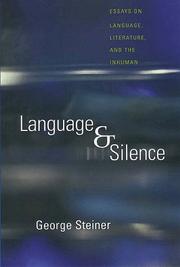 Language and silenceGeorge SteinerA profound, elegiac meditation on whether art and language can survive the ultimate horrors of human history.
 Mots et les chosesMichel FoucaultA dizzying, paradigm-shifting descent into the hidden structures that dictate how we think, speak, and understand the world.
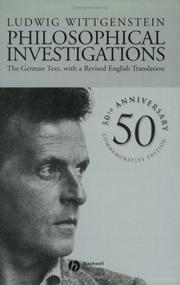 Philosophische UntersuchungenLudwig WittgensteinA therapeutic dismantling of the conceptual traps we build with our own words.
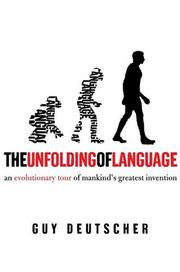 The Unfolding of LanguageGuy DeutscherA fascinating archaeological dig into the words we use every day, revealing the hidden forces of destruction and creation that shape human communication.
 Wahrheit und MethodeHans-Georg GadamerA rigorous, paradigm-shifting exploration of how history and culture shape our very capacity to understand the world.
 Writing and DifferenceJacques DerridaA rigorous, cerebral dismantling of Western metaphysics that fundamentally alters how one thinks about language and writing.