Books › Agnes Grey

Agnes Grey
First published 1931 · 576 pages
A quiet, clear-eyed portrait of endurance and moral integrity in the face of high-society cruelty.
What it feels like
Reading this novel feels like sitting with a deeply observant, quietly resilient friend who refuses to sugarcoat the indignities of her life. The narrative unfolds at a steady, deliberate pace, immersing the reader in a stifling atmosphere of aristocratic entitlement and the profound loneliness of being an outsider in one's own workplace. Unlike the sweeping gothic romances of its era, the prose here is remarkably clear, unadorned, and grounded in a biting realism that exposes the harsh realities of women's labor and class snobbery. It is a melancholic but ultimately hopeful experience, tracing a journey of quiet endurance. This book will deeply satisfy readers who gravitate toward understated, character-driven classics that champion moral integrity and the quiet triumphs of ordinary life.
- Mood
- melancholic
- stifling
- lonely
- quietly hopeful
- Tone
- earnest
- observant
- restrained
- quietly biting
- Pace
- steady
- Themes
- class inequality · indignity of labor · quiet endurance · moral integrity · social isolation
- The writing
- Clear, unadorned, and deeply sincere, prioritizing emotional truth and realism over gothic melodrama.
- The arc
- Moves from naive optimism through humiliating isolation to a quiet, hard-won contentment.
- Who it's for
- Readers who appreciate quiet, character-driven Victorian fiction and prefer understated realism over sweeping romance.
Content notes
- animal cruelty
- emotional abuse
- classism
About the book
In her Introduction to an edition of "Agnes Grey," Barbara A. Suess writes "Bronte provides a portrait of the governess that is as sympathetic as her fictional indictment of the shallow, selfish moneyed class is biting." Anne Bronte relies on her own personal involvement in her duties as a home teacher to bring Agnes Grey to life. Agnes, a rector's daughter, must take employment as a governess to help her family make financial ends meet. But her situations with the spoiled, self-obsessed Bloomfield children and later with the ruthless Murray family forces her into a lonely, humiliating experience that is a wearying one extraordinarily blossoming into a romantic relationship with the local vicar, Edward Weston. Agnes' concern for her family brings her to these unfortunate trials where she suffers stupid and egotistic proprietors and their over-indulged progeny. She was not able to foresee the hardships she would have to undergo along with the class snobbery to which she was also subjected. And yet a career as a governess was the only "respectable" job available to an unmarried woman in Victorian England. Bronte's simple and uncomplicated rendition of these sordid affairs made circumstances surrounding such brutish conditions authentic enough to necessitate investigation and improvement.
Description from Open Library.
Books like Agnes Grey
See why they match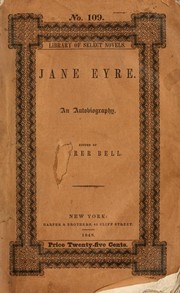 Jane EyreCharlotte BrontëA brooding, gothic masterclass in quiet defiance and the fierce demand to be loved as an equal.
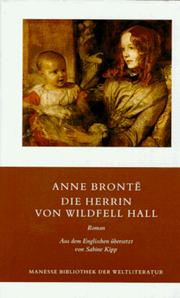 The Tenant of Wildfell HallAnne BrontëA fiercely feminist Victorian masterpiece that strips the romantic veneer off a toxic marriage to reveal the harrowing reality beneath.
 The ProfessorCharlotte BrontëA quiet, observant study of ambition and intellectual romance unfolding within the rigid walls of a Belgian boarding school.
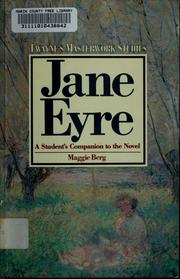 Jane EyreMaggie BergA scholarly but deeply engaging excavation of the real woman hiding behind one of literature's most famous heroines.
 Gentleman JackMargaret SummervilleA charming, trope-filled Regency romp where a humbled aristocrat finds redemption and romance in the stables.
 Mary BartonElizabeth GaskellA gritty, compassionate plunge into the heart of the Industrial Revolution, where romance and murder collide with the desperate struggle for survival.