Books › An Indigenous Peoples' History of the United States
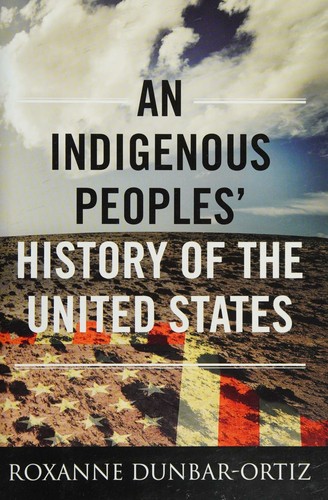
An Indigenous Peoples' History of the United States
312 pages
An unflinching, paradigm-shifting history that shatters national myths to reveal the foundational violence and enduring resistance at the heart of the American story.
What it feels like
Reading this book feels like having a heavy, necessary veil lifted from your eyes. It is a sobering and steady journey through centuries of deliberate erasure, demanding that the reader sit with the uncomfortable truths of settler colonialism and systemic violence. The prose is uncompromising and direct, refusing to soften the blow of history with sanitized language, yet it pulses with an impassioned urgency. Despite the profound grief that saturates these pages, the overarching atmosphere is one of fierce defiance and illumination. It is an essential, paradigm-shifting experience for anyone ready to unlearn the comfortable myths of American exceptionalism and bear witness to the enduring resilience and active resistance of Indigenous peoples.
- Mood
- sobering
- heavy
- illuminating
- defiant
- Tone
- unflinching
- authoritative
- urgent
- critical
- impassioned
- Pace
- steady
- Themes
- settler colonialism · historical erasure · Indigenous resistance · myth-busting · systemic injustice
- The writing
- Direct, meticulously researched, and uncompromising in its refusal to use sanitized language for historical atrocities.
- The arc
- Begins with the heavy weight of systemic erasure and builds toward a profound, defiant recognition of ongoing Indigenous survival and resistance.
- Who it's for
- Readers ready to dismantle the sanitized myths of American history and confront the uncomfortable truths of settler colonialism.
Content notes
- genocide
- ethnic cleansing
- systemic racism
- colonial violence
- cultural erasure
About the book
Today in the United States, there are more than five hundred federally recognized Indigenous nations comprising nearly three million people, descendants of the fifteen million Native people who once inhabited this land. The centuries-long genocidal program of the US settler-colonial regimen has largely been omitted from history. Now, for the first time, acclaimed historian and activist Roxanne Dunbar-Ortiz offers a history of the United States told from the perspective of Indigenous peoples and reveals how Native Americans, for centuries, actively resisted expansion of the US empire.
With growing support for movements such as the campaign to abolish Columbus Day and replace it with Indigenous Peoples’ Day and the Dakota Access Pipeline protest led by the Standing Rock Sioux Tribe, An Indigenous Peoples’ History of the United States is an essential resource providing historical threads that are crucial for understanding the present. In An Indigenous Peoples’ History of the United States, Dunbar-Ortiz adroitly challenges the founding myth of the United States and shows how policy against the Indigenous peoples was colonialist and designed to seize the territories of the original inhabitants, displacing or eliminating them. And as Dunbar-Ortiz reveals, this policy was praised in popular culture, through writers like James Fenimore Cooper and Walt Whitman, and in the highest offices of government and the military. Shockingly, as the genocidal policy reached its zenith under President Andrew Jackson, its ruthlessness was best articulated by US Army general Thomas S. Jesup, who, in 1836, wrote of the Seminoles: “The country can be rid of them only by exterminating them.”
Spanning more than four hundred years, this classic bottom-up peoples’ history radically reframes US history and explodes the silences that have haunted our national narrative.
Description from Open Library.
Books like An Indigenous Peoples' History of the United States
See why they match A People's History of the United StatesHoward ZinnA paradigm-shifting journey through American history that amplifies the voices of the oppressed and challenges everything you were taught in school.
 As Long as Grass GrowsDina Gilio-WhitakerA vital, eye-opening reframing of environmentalism through the lens of Indigenous history and resistance.
 Columbus and Other CannibalsJack D. ForbesA radical, paradigm-shifting diagnosis of the spiritual sickness driving Western imperialism and ecological collapse.
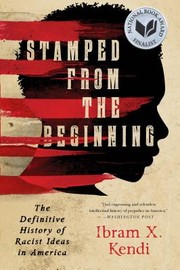 Stamped from the BeginningIbram X. KendiA monumental, paradigm-shifting journey through the intellectual history of American racism that demands a fundamental rewiring of how you view the present.
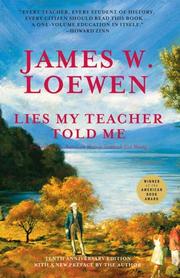 Lies My Teacher Told MeJames W. LoewenA paradigm-shifting unlearning of the sanitized myths that shape the American historical narrative.
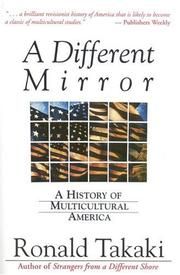 A different mirrorRonald TakakiA sweeping, deeply humanizing reframing of the American story that centers the voices of those often left out of the textbooks.