Books › As Long as Grass Grows

As Long as Grass Grows
224 pages
A vital, eye-opening reframing of environmentalism through the lens of Indigenous history and resistance.
What it feels like
Reading this book feels like having a crucial blind spot illuminated by a patient but fiercely urgent teacher. It moves at a steady, deliberate pace, grounding the reader in centuries of history before connecting those threads to modern climate activism. The mood is sobering yet deeply resilient, asking you to sit with the uncomfortable truths of colonial violence and treaty violations while simultaneously offering a profound sense of hope through Indigenous leadership and resistance. The prose is accessible but academically rigorous, stripping away mainstream environmental myths to reveal a much older, deeper struggle for the land. It is an essential, galvanizing read for anyone who loved Braiding Sweetgrass but is looking for a sharper, more politically focused exploration of decolonization and environmental justice.
- Mood
- sobering
- galvanizing
- reflective
- resilient
- Tone
- urgent
- authoritative
- passionate
- educational
- critical
- Pace
- steady
- Themes
- environmental justice · Indigenous resistance · decolonization · intersectional activism · historical memory
- The writing
- Clear, accessible, and rigorously researched, blending historical analysis with passionate advocacy.
- The arc
- Moves from a sobering confrontation with centuries of systemic injustice to a galvanizing call for solidarity and sustainable futures.
- Who it's for
- Readers seeking a deeper, decolonized understanding of the environmental movement and those passionate about intersectional climate justice.
Content notes
- systemic racism
- colonial violence
- cultural erasure
- environmental destruction
About the book
The story of Native peoples’ resistance to environmental injustice and land incursions, and a call for environmentalists to learn from the Indigenous community’s rich history of activism
Through the unique lens of “Indigenized environmental justice,” Indigenous researcher and activist Dina Gilio-Whitaker explores the fraught history of treaty violations, struggles for food and water security, and protection of sacred sites, while highlighting the important leadership of Indigenous women in this centuries-long struggle. As Long As Grass Grows gives readers an accessible history of Indigenous resistance to government and corporate incursions on their lands and offers new approaches to environmental justice activism and policy.
Throughout 2016, the Standing Rock protest put a national spotlight on Indigenous activists, but it also underscored how little Americans know about the longtime historical tensions between Native peoples and the mainstream environmental movement. Ultimately, she argues, modern environmentalists must look to the history of Indigenous resistance for wisdom and inspiration in our common fight for a just and sustainable future.
Description from Open Library.
Books like As Long as Grass Grows
See why they match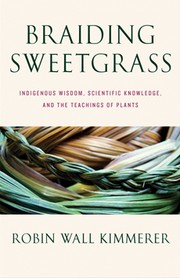 BRAIDING SWEETGRASSRobin Wall KimmererA quiet, transformative meditation that permanently changes the way you look at the ground beneath your feet.
 An Indigenous Peoples' History of the United StatesRoxanne Dunbar OrtizAn unflinching, paradigm-shifting history that shatters national myths to reveal the foundational violence and enduring resistance at the heart of the American story.
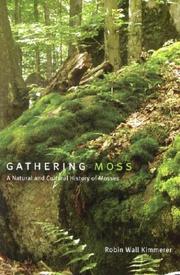 Gathering MossRobin Wall KimmererA quiet, magnifying-glass view of the forest floor that transforms how you see the world's smallest, most resilient wonders.
 The grassroots of green revolutionDeborah Lynn GuberA methodical exploration of the complex disconnect between American environmental ideals and political realities.
 Mutual AidDean SpadeA clear-eyed, galvanizing handbook for surviving systemic collapse through radical, everyday solidarity.
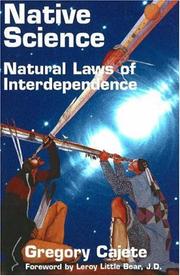 Native ScienceGregory CajeteA profound and grounding exploration of reality that bridges the physical and the spiritual through the lens of Indigenous wisdom.