Books › Animal, Vegetable, Miracle

Animal, Vegetable, Miracle
First published 2007 · 416 pages
A warm, dirt-under-the-fingernails memoir that invites you to slow down and taste the seasons.
What it feels like
Reading this book feels like sitting at a rustic kitchen table with a wise, funny friend while a pot of homegrown tomatoes simmers on the stove. It moves at the leisurely, deliberate pace of the changing seasons, grounding you in the earthy realities of planting, harvesting, and eating locally. The prose is both lyrical and deeply practical, blending poetic observations of the natural world with sharp, journalistic insights into our food systems. You will feel the sun on your back and the dirt under your fingernails as the narrative shifts from the daunting initial challenge of a radical lifestyle change to a profound, quiet satisfaction. It is a perfect read for anyone who daydreams about starting a garden, loves wandering through farmers markets, or simply craves a hopeful, warm-hearted story about realigning one's life with the rhythms of the earth.
- Mood
- earthy
- sun-warmed
- grounded
- hopeful
- Tone
- earnest
- warm
- wry
- passionate
- informative
- Pace
- leisurely
- Themes
- connection to the land · mindful consumption · rhythm of the seasons · family bonding through labor · environmental stewardship
- The writing
- Lyrical, observant, and conversational, blending poetic nature writing with accessible, good-humored journalism.
- The arc
- Moves from the daunting, chaotic challenge of a radical lifestyle shift to a deep, satisfying harmony with the natural world.
- Who it's for
- Readers who crave a slower pace of life, love farmers' markets, and enjoy memoirs that blend personal narrative with ecological philosophy.
Content notes
- animal slaughter (farming context)
- climate anxiety
About the book
Bestselling author Barbara Kingsolver returns with her first nonfiction narrative that will open your eyes in a hundred new ways to an old truth: You are what you eat."As the U.S. population made an unprecedented mad dash for the Sun Belt, one carload of us paddled against the tide, heading for the Promised Land where water falls from the sky and green stuff grows all around. We were about to begin the adventure of realigning our lives with our food chain."Naturally, our first stop was to buy junk food and fossil fuel...."Hang on for the ride: With characteristic poetry and pluck, Barbara Kingsolver and her family sweep readers along on their journey away from the industrial-food pipeline to a rural life in which they vow to buy only food raised in their own neighborhood, grow it themselves, or learn to live without it. Their good-humored search yields surprising discoveries about turkey sex life and overly zealous zucchini plants, en route to a food culture that's better for the neighborhood and also better on the table. Part memoir, part journalistic investigation, Animal, Vegetable, Miracle makes a passionate case for putting the kitchen back at the center of family life and diversified farms at the center of the American diet."This is the story of a year in which we made every attempt to feed ourselves animals and vegetables whose provenance we really knew... and of how our family was changed by our first year of deliberately eating food produced from the same place where we worked, went to school, loved our neighbors, drank the water, and breathed the air."
Description from Open Library.
Books like Animal, Vegetable, Miracle
See why they match Omnivore's Dilemma. A Natural History of Four MealsMichael PollanAn eye-opening, dirt-under-the-fingernails journey tracing the hidden paths our food takes before it reaches the plate.
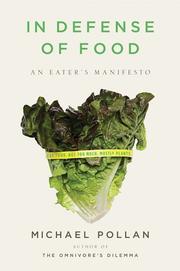 In Defense of FoodMichael PollanA clarifying, deeply sensible manifesto that cuts through dietary noise to restore the simple joy of eating real food.
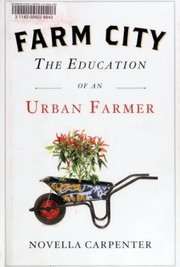 Farm CityNovella CarpenterA wry and inspiring memoir that captures the earthy feeling of cultivating a thriving green space amidst the concrete of the city.
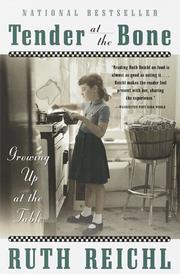 Tender at the boneRuth ReichlA warm, mouth-watering journey that proves the best way to understand the people around you is to watch what they eat.
 Eating animalsJonathan Safran FoerAn urgent, deeply personal reckoning with the stories we tell ourselves about the food on our plates.
 The Ruth Stout no-work garden bookRuth StoutA delightfully opinionated, dirt-under-the-fingernails chat with a rebellious gardener who figured out how to let nature do the heavy lifting.