Books › Apocalypse delayed
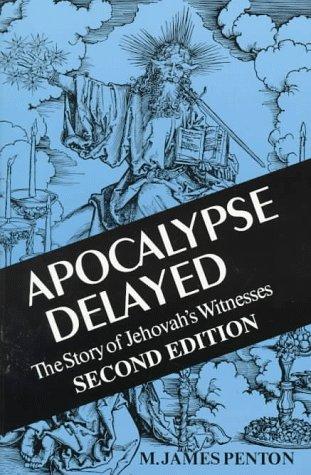
Apocalypse delayed
First published 1985 · 547 pages
A meticulous, insider-turned-scholar dissection of a high-control religion waiting for an end that never comes.
What it feels like
Reading this book feels like sitting in a quiet, well-lit archive with a deeply knowledgeable guide who has lived through the history they are dissecting. The pace is steady and deliberate, building a comprehensive picture of a high-control religious movement through historical, doctrinal, and sociological lenses. Penton's prose is scholarly and measured, yet beneath the academic objectivity lies the quiet, undeniable weight of personal experience. The mood is highly analytical but occasionally somber, especially when detailing the human cost of failed prophecies, institutional control, and the shunning of dissenters. It will thoroughly absorb readers who are fascinated by the sociology of religion, the mechanics of sectarian movements, and the profound psychological grip of apocalyptic theology.
- Mood
- intellectual
- reflective
- somber
- analytical
- Tone
- scholarly
- objective
- critical
- authoritative
- measured
- Pace
- steady
- Themes
- religious disillusionment · institutional control · the weight of prophecy · dissent and orthodoxy · sociology of religion
- The writing
- Clear, academic, and meticulously researched, prioritizing factual clarity and sociological insight over narrative flourish.
- The arc
- Moves from historical curiosity to a sobering understanding of institutional control and the human cost of failed prophecies.
- Who it's for
- Readers fascinated by the sociology of religion, high-control groups, and the intricate histories of modern sectarian movements.
Content notes
- religious trauma
- institutional abuse
- shunning and ostracization
- medical neglect
About the book
"Since 1876, Jehovah's Witnesses have believed that they are living in the last days of the present world. Charles T. Russell, their founder, advised his followers that members of Christ's church would be raptured in 1878, and by 1914 Christ would destroy the nations and establish his kingdom on earth. The first prophecy was not fulfilled, but the outbreak of the First World War lent some credibility to the second. Ever since that time, Jehovah's Witnesses have been predicting that the world would end "shortly." Their numbers have grown to many millions in over two hundred countries. They distribute a billion pieces of literature annually, and continue to anticipate the end of the world. For almost thirty years, M. James Penton's Apocalypse Delayed has been the definitive scholarly study of this religious movement. As a former member of the sect, Penton offers a comprehensive overview of the Jehovah's Witnesses. His book is divided into three parts, each presenting the Witnesses' story in a different context: historical, doctrinal, and sociological. Some of the issues he discusses are known to the general public, such as the sect's opposition to military service and blood transfusions. Others involve internal controversies, including political control of the organization and the handling of dissent within the ranks. Thoroughly revised, the third edition of Penton's classic text includes substantial new information on the sources of Russell's theology and on the church's early leaders..."--
Description from Open Library.
Books like Apocalypse delayed
See why they match Comprehending CultsLorne L. DawsonA rigorous, level-headed dismantling of the myths surrounding new religious movements and the people who join them.
 Preparation for the final crisisFernando ChaijA solemn, doctrinally grounded call to spiritual readiness and faith in the face of impending trials.
 Going ClearLawrence WrightA gripping, meticulously documented descent into the architecture of a modern belief system and the terrifying lengths it goes to protect its secrets.
 The evolution of GodWright, RobertA sweeping, intellectually rigorous journey through human history that seeks the hidden evolutionary logic behind our search for the divine.
 Cults Inside OutRick Alan RossAn authoritative, eye-opening deep dive into the mechanics of psychological control and the practical pathways to freedom.
 The Rise of ChristianityRodney StarkA fast-paced, myth-busting sociological investigation into how a tiny messianic movement transformed into a dominant cultural force.