Books › Comprehending Cults

Comprehending Cults
272 pages
A rigorous, level-headed dismantling of the myths surrounding new religious movements and the people who join them.
What it feels like
Reading this book feels like stepping out of a sensationalized media circus and into a quiet, well-lit university lecture hall. The pace is steady and methodical, guiding you through decades of sociological and psychological research with a measured, objective tone. It strips away the lurid true-crime framing often associated with new religious movements, replacing dread and spectacle with a grounded, deeply inquisitive atmosphere. The prose is academic but accessible, carefully synthesizing complex data to answer the fundamental questions of why people join, stay, and sometimes commit violence. It is a deeply satisfying read for those who crave nuance over shock value, offering a profound, empathetic look at the human search for meaning and the mechanics of extreme belief.
- Mood
- intellectual
- inquisitive
- grounded
- contemplative
- Tone
- objective
- analytical
- measured
- informative
- nuanced
- Pace
- steady
- Themes
- the psychology of belief · social dynamics of isolation · the search for meaning · mechanisms of control · group polarization
- The writing
- Clear, academic, and methodical, prioritizing synthesis and clarity over sensationalism.
- The arc
- Moves from a place of sensationalized curiosity to a grounded, empathetic, and deeply analytical understanding of human vulnerability.
- Who it's for
- Readers fascinated by the psychology of belief and group dynamics who prefer rigorous sociological analysis over true-crime sensationalism.
Content notes
- discussions of psychological manipulation
- references to mass suicide
- references to religious violence
- spiritual abuse
About the book
"This book summarizes, synthesizes, and assesses the results of thirty years of research into new religious movements by historians, sociologists, and psychologists of religion. Organized in terms of seven of the most commonly asked questions about cults (e.g., Why did they emerge? Who joins them and why? Why do some become violent?), the book clarifies the issues at stake, seeking to replace prejudice and speculation with reliable insights into the nature of cult activity."--BOOK JACKET.
Description from Open Library.
Books like Comprehending Cults
See why they match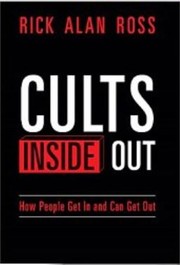 Cults Inside OutRick Alan RossAn authoritative, eye-opening deep dive into the mechanics of psychological control and the practical pathways to freedom.
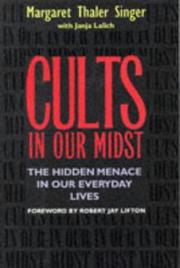 Cults in Our MidstMargaret Thaler SingerA chilling, authoritative deep-dive into the mechanics of manipulation that will forever change how you view human vulnerability.
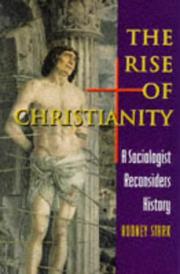 The Rise of ChristianityRodney StarkA fast-paced, myth-busting sociological investigation into how a tiny messianic movement transformed into a dominant cultural force.
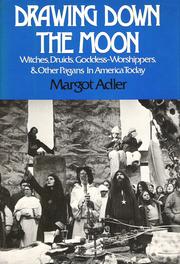 Drawing down the MoonMargot AdlerAn immersive, empathetic journey into the living rooms and forest clearings of America's modern magical revival.
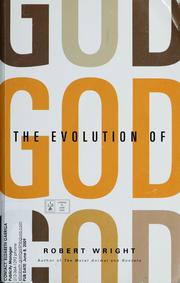 The evolution of GodWright, RobertA sweeping, intellectually rigorous journey through human history that seeks the hidden evolutionary logic behind our search for the divine.
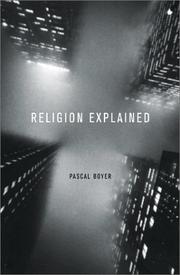 Religion ExplainedPascal BoyerA provocative, intellectually rigorous dive into the evolutionary and cognitive machinery that makes human beings uniquely primed for belief.