Books › Artificial intelligence

Artificial intelligence
First published 1977 · 737 pages
A foundational, methodical journey into the symbolic roots of machine intelligence.
What it feels like
Reading this classic textbook feels like stepping into an MIT lecture hall in the late twentieth century, surrounded by the hum of early computing and the thrill of foundational discovery. The pace is steady and methodical, demanding focus as it builds complex ideas from simple, logical building blocks. Rather than the hype of modern deep learning, the mood here is deeply structural and intellectually rigorous, rooted in symbolic logic, LISP, and the elegant architecture of problem-solving. The prose is exceptionally clear and encouraging, designed to guide the reader through dense thickets of algorithmic thought without losing them. It is a deeply satisfying read for tech historians, computer science purists, and anyone who delights in understanding the bedrock principles of how machines were first taught to think.
- Mood
- intellectually stimulating
- structured
- curious
- focused
- Tone
- academic
- instructive
- clear
- authoritative
- encouraging
- Pace
- steady
- Themes
- foundations of computation · problem solving · symbolic logic · the nature of intelligence · historical computing
- The writing
- Lucid, methodical, and highly structured, prioritizing clarity and pedagogical progression over stylistic flourish.
- The arc
- Moves from a sense of daunting complexity to a satisfying, structured understanding of foundational computational logic.
- Who it's for
- Computer science students, tech historians, and curious minds looking to understand the foundational, symbolic roots of artificial intelligence.
About the book
Reprint of 3rd ed., 1992. Previous ed., 1984.
Includes bibliographical references (p. 693-724) and index.
Description from Open Library.
Books like Artificial intelligence
See why they match Representing and reasoning with probabilistic knowledgeFahiem BacchusA rigorous, deeply analytical dive into the mathematical foundations of how machines handle uncertainty.
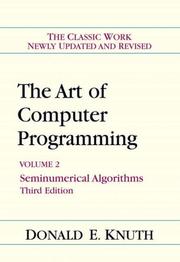 The art of computer programmingDonald KnuthA monumental, intellectually demanding pilgrimage into the mathematical soul of computation.
 HypertextRay McAleese (ed)An analytical exploration bridging the conceptual frameworks of digital information with their real-world implementations.
 The society of mindVoyager CompanyA playful, mind-bending puzzle box that dismantles the illusion of the self to reveal the hidden machinery of thought.
 A Thousand BrainsJeff HawkinsA cerebral exploration of how the mind works and what it means for the future of thinking machines.
 The logic of knowledge basesHector J. LevesqueA rigorous, intellectually demanding exploration of how abstract knowledge can be formalized and processed by machines.