Books › Asylums

Asylums
First published 1991 · 424 pages
A sobering, sharp-eyed dissection of how enclosed systems strip away human identity and force the self to adapt to survive.
What it feels like
Reading this foundational sociological text feels like putting on a pair of X-ray glasses that reveal the invisible cages of modern society. The pace is steady and methodical, guiding you through the claustrophobic corridors of total institutions with a tone that is simultaneously detached and deeply humane. Instead of relying on dense academic jargon, the prose is built on sharp, unsettling observations about how human beings adapt when their autonomy is entirely stripped away. The mood is sobering and intellectually rigorous, leaving you with a lingering sense of vulnerability about the fragility of the self. It will deeply satisfy readers who are fascinated by power dynamics, the performance of identity, and the hidden social structures that dictate human behavior.
- Mood
- claustrophobic
- sobering
- unsettling
- intellectually rigorous
- Tone
- analytical
- observant
- empathetic
- critical
- detached
- Pace
- steady
- Themes
- the stripping of autonomy · institutional control · performance of identity · power dynamics · survival mechanisms · loss of self
- The writing
- Methodical and precise, the writing relies on sharp observational clarity and a dry, understated empathy rather than dense academic jargon.
- The arc
- The reader moves from clinical curiosity to a profound, unsettling realization of how easily human identity is dismantled by systemic pressure.
- Who it's for
- Fascinated by the hidden structures of power, this reader loves dissecting how environments shape, constrain, and ultimately define human behavior.
Content notes
- mental illness
- institutional confinement
- psychiatric hospitalization
- loss of autonomy
About the book
A total institution is defined by Goffman as a place of residence and work where a large number of like-situated, individuals, cut off from the wider society for an appreciable period of time, together lead an enclosed, formally administered round of life. Prisons serve as a clear example, providing we appreciate that what is prison-like about prisons is found in institutions whose members have broken no laws. This volume deals with total institutions in general and, mental hospitals, in particular. The main focus is, on the world of the inmate, not the world of the staff. A chief concern is to develop a sociological version of the structure of the self. Each of the essays in this book were intended to focus on the same issue--the inmate's situation in an institutional context. Each chapter approaches the central issue from a different vantage point, each introduction drawing upon a different source in sociology and having little direct relation to the other chapters. This method of presenting material may be irksome, but it allows the reader to pursue the main theme of each paper analytically and comparatively past the point that would be allowable in chapters of an integrated book. If sociological concepts are to be treated with affection, each must be traced back to where it best applies, followed from there wherever it seems to lead, and pressed to disclose the rest of its family. (Author) Erving Goffman was Benjamin Franklin Professor of Anthropology and Sociology at the University of Pennsylvania until his death in 1982. Publisher's note.
Description from Open Library.
Books like Asylums
See why they match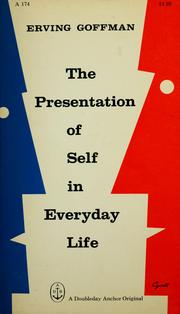 The presentation of self in everyday lifeErving GoffmanA fascinating, slightly unsettling lens that permanently alters how you view every conversation, meeting, and social encounter.
 Life at the BottomTheodore DalrympleA trenchant, unsparing look at the psychological and cultural roots of chronic poverty from the front lines of a slum hospital.
 Women & madnessPhyllis CheslerA fiery, paradigm-shifting exploration of how the psychiatric establishment has historically weaponized the concept of sanity against women.
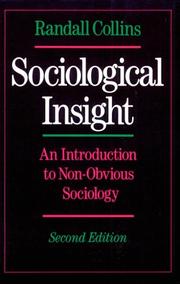 Sociological insightNorval MorrisAn intellectual toolkit that pulls back the curtain on everyday life, revealing the hidden, counterintuitive gears of human society.
 The Female MaladyShowalter, Elaine; Showalter, E.A chilling, meticulously researched exploration of how the medical establishment weaponized madness to control women.
 OutsidersBecker, Howard S.A clear-eyed, empathetic stroll through the smoky margins of society that fundamentally changes how you view normalcy and rebellion.