Books › Bāburnāmah

Bāburnāmah
First published 1857 · 880 pages
An engrossing, intimate window into the mind of a ruler profoundly curious about the natural world and the people within it.
What it feels like
Reading this memoir feels like stepping directly into the observant, profoundly curious mind of a sixteenth-century ruler. The pace is steady and engrossing, anchored by prose that is remarkably frank, intimate, and truthful. Rather than a dry official chronicle, the narrative offers a vivid, extraordinarily detailed atmosphere, brimming with a genuine fascination for the natural world and the complexities of human personalities. The tone remains unbiased and deeply personal, creating an immersive historical mood that feels unprecedented in its candidness. It is a deeply rewarding experience for readers who delight in primary sources and historical biographies, offering a uniquely intimate texture that brings the vibrant life of Central Asia and India during the Mughal empire into sharp, personal focus.
- Mood
- vivid
- engrossing
- observant
- immersive
- Tone
- frank
- intimate
- truthful
- unbiased
- curious
- Pace
- steady
- Themes
- historical documentation · personal reflection · the natural world · human personalities · imperial life
- The writing
- Frank, intimate, and truthful, offering an extraordinarily detailed and unbiased account of its era.
- The arc
- A journey of profound curiosity and intimate reflection through the lens of a ruler observing his world.
- Who it's for
- Readers who devour highly personal, detailed historical memoirs and primary sources from the perspective of influential rulers.
Content notes
- imperial conquest
- historical politics
About the book
Both an official chronicle and a highly personal memoir, the Baburnama presents a vivid and extraordinarily detailed picture of life in Central Asia and India during the late fifteenth and early sixteenth centuries. It is also the text most often quoted by historians and scholars of Mughal India. The prose of Zahiruddin Muhammad Babur, the first Mughal emperor, is described by its new translator Wheeler Thackston as frank, intimate, truthful, and unbiased.
It is all the more astonishing, therefore, that the Baburnama is also the first real autobiography in Islamic literature. Babur had no historical precedent for his narrative, yet even today it is a remarkably engrossing volume to read.
The interests that Babur expressed so eloquently in the memoirs - his profound curiosity about the natural world and human personalities, for example - defined also the directions that artists were to take. Dr. Thackston's translation provides many new insights into a particularly stimulating period in the world's history.
Originally published: Washington, D.C.: Freer Gallery of Art: Arthur M. Sackler Gallery, Smithsonian Institution, 1996
Includes bibliographical references (p. [517]-524) and indexes
Description from Open Library.
Books like Bāburnāmah
See why they match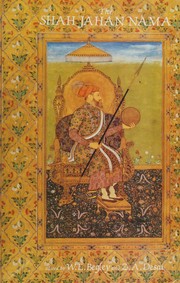 The Shah Jahan nama of 'Inayat Khan'Inayat KhanA formal, scholarly immersion into the life, reign, and legacy of a monumental Mughal emperor.
 Empire of the MoghulAlex RutherfordA sweeping, blood-soaked epic of dynastic ambition where the greatest threat to an empire is the family that rules it.
 The wonder that was IndiaBasham, A. L.A sweeping, deeply affectionate journey through the art, faith, and daily life of an ancient world.
 IndiaJohn KeayA sweeping, erudite journey through millennia of empires, migrations, and cultural synthesis.
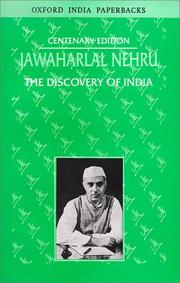 The discovery of IndiaJawaharlal NehruA sweeping, deeply personal meditation on the soul, history, and enduring resilience of an ancient civilization.
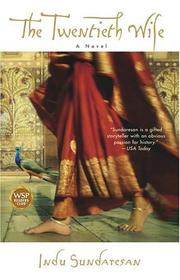 Twentieth WifeIndu SundaresanA lush, sensory immersion into the cutthroat politics and grand passions of the Mughal court, anchored by a woman of fierce ambition.