Books › Bad Science

Bad Science
First published 2008 · 432 pages
A hilarious, exasperated, and fiercely intelligent takedown of the pseudoscience that surrounds us every day.
What it feels like
Reading this book feels like sitting at a pub with your smartest, most exasperated friend as they gleefully dismantle the nonsense you read in the morning paper. The pace is brisk and propulsive, driven by a potent mix of sharp British wit and righteous indignation. It starts as a hilarious romp through harmless wellness fads and cosmetic marketing tricks, but gradually shifts into a more serious, urgent critique of how bad data costs lives. The mood is invigorating and intellectually stimulating, wrapping you in a comforting layer of skepticism. The prose is punchy, conversational, and deeply accessible, ensuring you never feel bogged down by jargon. It is a deeply satisfying read for anyone who craves critical thinking and wants to arm themselves against the daily barrage of manipulative statistics and media-driven pseudoscience.
- Mood
- invigorating
- intellectually stimulating
- righteous
- cynical
- Tone
- wry
- exasperated
- satirical
- sharp
- informative
- Pace
- brisk
- Themes
- critical thinking · media literacy · debunking pseudoscience · the exploitation of ignorance · the scientific method
- The writing
- Conversational, punchy, and highly accessible, blending sharp British wit with lucid scientific explanations.
- The arc
- Moves from amused disbelief at harmless wellness fads to righteous anger at dangerous medical misinformation, culminating in a sense of intellectual empowerment.
- Who it's for
- Skeptics, science enthusiasts, and anyone exhausted by sensationalist headlines and manipulative wellness marketing.
Content notes
- medical misinformation
- discussions of illness
- charlatanism
About the book
Full of spleen, this will be a hilarious, invigorating and informative journey through the world of Bad Science.When Dr Ben Goldacre saw someone on daytime TV dipping her feet in an 'Aqua Detox' footbath, releasing her toxins into the water, turning it brown, he thought he'd try the same at home. 'Like some kind of Johnny Ball cum Witchfinder General', using his girlfriend's Barbie doll, he gently passed an electrical current through the warm salt water. It turned brown. In his words: 'before my very eyes, the world's first Detox Barbie was sat, with her feet in a pool of brown sludge, purged of a weekend's immorality.'Dr Ben Goldacre is the author of the Bad Science column in the Guardian. This book will be about all the 'bad science' we are constantly bombarded with in the media and in advertising. At a time when science is used to prove everything and nothing, everyone has their own 'bad science' moments - from the useless pie-chart on the back of cereal packets to the use of the word 'visibly' in cosmetics ads. This book will help people to quantify their instincts - that a lot of the so-called 'science' which appears in the media and in advertising is just wrong or misleading. It will be satirical and amusing - exposing the ridiculous - but it will also provide the reader with the facts they need.Full of spleen, this will be a hilarious, invigorating and informative journey through the world of Bad Science.
Description from Open Library.
Books like Bad Science
See why they match Bad Pharma: How Medicine is Broken, and How We Can Fix itBen GoldacreA meticulously researched, infuriatingly compelling teardown of the medical-industrial complex that will permanently alter how you view a prescription pad.
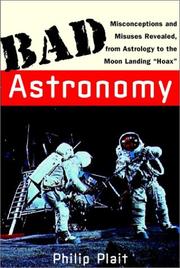 Bad astronomyPhilip C. PlaitA witty, myth-busting tour of the cosmos that replaces popular misconceptions with the far more fascinating truth.
 BonkMary RoachA hilarious, unapologetic romp through the awkward and fascinating science of human sexuality.
 Why Don't Penguins' Feet Freeze?New ScientistA delightful, bite-sized exploration of the world's most delightfully baffling everyday mysteries.
 Crimes Against LogicJamie WhyteA sharp, witty toolkit for dismantling the everyday nonsense that clutters our newsfeeds and conversations.
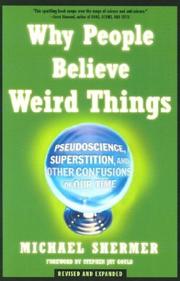 Why people believe weird thingsMichael ShermerA clarifying, conversational plunge into the quirks of human cognition that explains why our brains so easily fall for the irrational.