Books › Why people believe weird things

Why people believe weird things
pseudoscience, superstition, and other confusions of our time
384 pages
A clarifying, conversational plunge into the quirks of human cognition that explains why our brains so easily fall for the irrational.
What it feels like
Reading this book feels like sitting down with a patient, highly articulate professor who is determined to untangle the messy wiring of the human brain. The pace is brisk and engaging, moving swiftly from alien abductions to psychic readings, not merely to debunk them, but to compassionately explain the psychological needs they fulfill. The mood is deeply clarifying and grounded, offering a refreshing oasis of rationality in a confusing world. Its prose is accessible and conversational, stripping away academic jargon in favor of relatable anecdotes and sharp logic. It is a deeply satisfying read for curious skeptics and science enthusiasts who want to understand the cognitive blind spots we all share, leaving the reader feeling intellectually armed and surprisingly empathetic toward human fallibility.
- Mood
- intellectual
- clarifying
- grounded
- curious
- Tone
- rational
- inquisitive
- conversational
- wry
- educational
- Pace
- brisk
- Themes
- cognitive biases · the psychology of belief · scientific skepticism · human fallibility · the search for meaning
- The writing
- Clear, accessible, and highly structured, using engaging anecdotes to unpack complex psychological concepts.
- The arc
- Transitions from a bemused exploration of human gullibility to an empowering appreciation for the clarity of the scientific method.
- Who it's for
- Curious thinkers and armchair psychologists who love dissecting the quirks of human nature and arming themselves against misinformation.
Content notes
- discussions of Holocaust denial
- mentions of cults
- historical racism and eugenics
About the book
On the opening page of his splendid little book To Know a Fly, biologist Vincent Dethier makes this humorous observation about how children grow up to be scientists: "Although small children have taboos against stepping on ants because such actions are said to bring on rain, there has never seemed to be a taboo against pulling off the legs or wings of flies.
Description from Open Library.
Books like Why people believe weird things
See why they match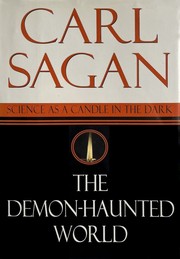 The Demon-Haunted WorldCarl SaganA compassionate, urgent lantern of reason held up against the encroaching shadows of superstition and misinformation.
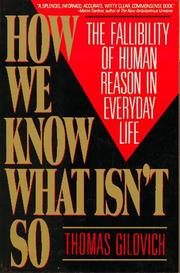 How we know what isn't soThomas GilovichA clarifying exploration of human fallibility that dismantles the comforting illusions of false belief.
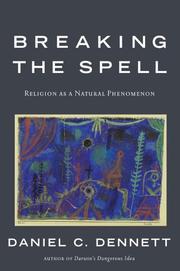 Breaking the spellDaniel C. DennettA methodical, clear-eyed dissection of humanity's oldest and most fiercely protected cultural phenomenon.
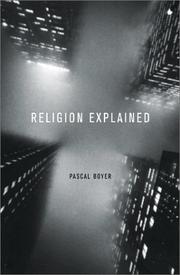 Religion ExplainedPascal BoyerA provocative, intellectually rigorous dive into the evolutionary and cognitive machinery that makes human beings uniquely primed for belief.
 Philosophy of ScienceSamir OkashaA crisp, illuminating mental workout that strips away assumptions about how we know what we know.
 Bad ScienceBen GoldacreA hilarious, exasperated, and fiercely intelligent takedown of the pseudoscience that surrounds us every day.