Books › Beginning syntax

Beginning syntax
First published 1993 · 209 pages
A methodical, satisfying puzzle-box approach to uncovering the hidden architecture of human language.
What it feels like
Reading this book feels like learning to see the matrix of human communication. It offers a deeply analytical, structured environment where the messy reality of spoken language is neatly dissected into elegant, logical trees. The pace is necessarily steady, asking the reader to pause, diagram, and deduce alongside the author. Its tone is unfailingly clear and instructive, acting as a patient guide through the dense thickets of generative grammar. There is a distinct intellectual satisfaction to be found here, a quiet thrill as abstract rules suddenly snap into focus to explain everyday sentences. It will thoroughly delight linguistics students, grammar nerds, and anyone who loves treating language as a beautiful, solvable puzzle.
- Mood
- analytical
- structured
- intellectual
- focused
- Tone
- instructive
- objective
- clear
- methodical
- encouraging
- Pace
- steady
- Themes
- the architecture of language · logical deduction · structural analysis · linguistic theory
- The writing
- Lucid, step-by-step, and highly structured, prioritizing clarity and comprehension over stylistic flourish.
- The arc
- Moves from the daunting complexity of raw language to the satisfying clarity of structured understanding.
- Who it's for
- Linguistics students and language enthusiasts eager to map out the hidden, mathematical rules governing how we speak.
Books like Beginning syntax
See why they match UnaccusativityBeth Levin and Malka Rappaport HovavA rigorous, deeply analytical immersion into the hidden structural mechanics of language and grammar.
 LinguisticsAitchison, JeanA structured, methodical exploration of the mechanics of human language designed for study and teaching.
 Introduction to theoretical linguisticsLyons, JohnA rigorous, foundational journey into the structural mechanics and theoretical underpinnings of human language.
 An introduction to functional grammarMichael HallidayA rigorous, paradigm-shifting deep dive into the hidden architecture of how human beings make meaning through language.
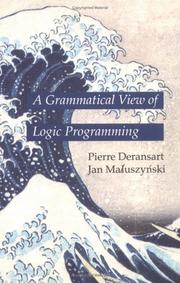 A grammatical view of logic programmingPierre DeransartA rigorous, deeply cerebral exploration of the mathematical elegance underlying computational logic and formal grammars.
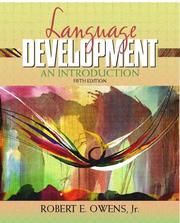 Language DevelopmentRobert E. OwensA structured, deeply researched exploration of the mechanics behind how humans learn to speak and understand.