Books › Berlin diary

Berlin diary
the journal of a foreign correspondent, 1934-1941
648 pages
A chilling, real-time chronicle of a society willingly surrendering to darkness, penned from the belly of the beast.
What it feels like
Reading this journal feels like watching a slow-motion train crash from the inside of the dining car. The pace is steady and chronological, yet it pulses with a mounting, claustrophobic dread as the years tick by. You are seated right beside a sharp, unblinking observer who records the daily, incremental normalization of the unthinkable. The prose is stripped of melodrama—crisp, journalistic, and terrifyingly matter-of-fact—which only amplifies the horror of the events unfolding. It is an atmosphere thick with paranoia, censorship, and the looming shadow of global catastrophe. This book will deeply resonate with history enthusiasts and anyone captivated by the fragile line between democracy and totalitarianism, offering a visceral, ground-level view of a world plunging into darkness.
- Mood
- dread-soaked
- claustrophobic
- ominous
- tense
- Tone
- journalistic
- urgent
- observant
- resolute
- horrified
- Pace
- steady
- Themes
- the slow creep of authoritarianism · journalistic integrity under pressure · societal complicity · the shadow of impending war
- The writing
- Crisp, economical, and unadorned, delivering chilling observations with the objective clarity of a seasoned wire reporter.
- The arc
- Begins with sharp-eyed curiosity and descends into a suffocating, urgent dread as the walls of a totalitarian state close in.
- Who it's for
- Readers who crave the visceral, unvarnished truth of primary historical documents and are fascinated by the mechanics of societal collapse.
Content notes
- antisemitism
- fascism
- political violence
- war
- state-sponsored terror
About the book
Essential Historic Document. This is a most important historic document as it is the only known diary written by a professional journalist while on assignment in nazi Germany from 1933 to 1941. Prior to this, Bill Shirer was on assignment in Paris. There is no other Book I know that provides a better description of Germany's transformation from an essentially western democratic nation to a nazi gangster society. Many historians wonder 'how could this happen'? William Shirer answers this question. This is not an amateur diary and Shirer understood during the writing that it would become an important historic document. He was in the belly of the beast for all the important transformative years -1933 to 1941. He displayed great bravery by staying to the last minute. He was also a master at keeping the nazis from deporting him yet also reporting the factual news. —A juggling act that has never been matched. We owe much to William Shirer.
Moreover, Shirer understood the Weimar, Prussian, German, nazi and European psyche better than any other American writer. Shirer was fluent in German, French, Swiss, and few more European languages. This is essential reading for a serious historian, anthropologist or sociologist.
Description from Open Library.
Books like Berlin diary
See why they match The Rise and Fall of the Third ReichWilliam L. ShirerA monumental, dread-soaked chronicle of a modern society's descent into absolute darkness, told with the gripping immediacy of a journalist who watched it happen.
 DiariesJoseph GoebbelsA deeply unsettling, claustrophobic immersion into the unrepentant mind of a fanatic watching his empire burn.
 The Third Reich in power, 1933-1939Richard J EvansA monumental, dread-inducing masterclass in historical synthesis that meticulously charts a modern society's descent into totalitarian darkness.
 The coming of the Third ReichRichard J. EvansA masterful, dread-inducing autopsy of a democracy dismantling itself.
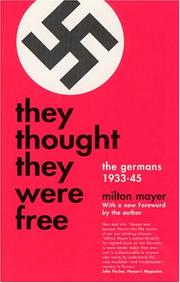 They Thought They Were FreeMilton MayerA chilling, penetrating look into the minds of ordinary people who became complicit in one of history's darkest regimes.
 The Second World WarAntony BeevorA sweeping, unflinching narrative that plunges you into the staggering scale and intimate horrors of a defining global conflict.