Books › They Thought They Were Free

They Thought They Were Free
The Germans, 1933-45
First published 1955 · 368 pages
A chilling, penetrating look into the minds of ordinary people who became complicit in one of history's darkest regimes.
What it feels like
Reading this book feels like sitting in a quiet room, listening to unsettling interviews that slowly unravel your understanding of human nature. The pace is steady and methodical, driven by probing case studies rather than propulsive action. It carries a somber, deeply reflective mood, wrapping the reader in the chilling realization of how easily ordinary social conditions can breed extremism. The prose is analytical and penetrating, carefully dissecting the psychological causes of National Socialism and national identity without resorting to sensationalism. It is a profoundly thought-provoking experience, perfect for readers who want to look past the broad strokes of history and understand the quiet, terrifying complicity of everyday people.
- Mood
- chilling
- somber
- unsettling
- thought-provoking
- Tone
- analytical
- penetrating
- serious
- probing
- reflective
- Pace
- steady
- Themes
- psychology of extremism · social conditioning · national identity · ordinary complicity · historical reflection
- The writing
- Clear, probing, and deeply analytical, focusing on psychological depth and sociological observation.
- The arc
- Moves from a curious exploration of individual case studies into a deeply unsettling realization of how ordinary people embrace totalitarianism.
- Who it's for
- Readers fascinated by the psychological underpinnings of history and the dark complexities of human nature.
Content notes
- antisemitism
- Nazism
- discussions of totalitarianism
About the book
Interviews with ten former Nazis comprise the core of this penetrating study of the psychological causes of Nazism and their implications for modern Germany.
Description from Open Library.
Books like They Thought They Were Free
See why they match The Origins of TotalitarianismHannah ArendtA chilling, intellectually monumental dissection of how societies surrender to absolute darkness.
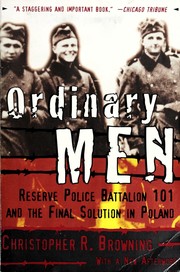 Ordinary MenChristopher R. BrowningA chilling, methodical examination of how terrifyingly easy it is for average people to commit unspeakable atrocities.
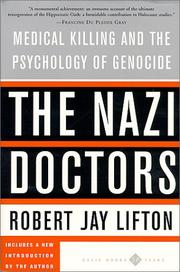 The Nazi DoctorsRobert Jay LiftonA chilling, methodical descent into the psychological mechanisms that allowed healers to become mass murderers.
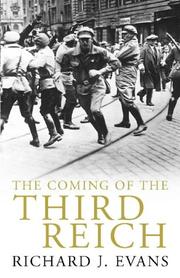 The coming of the Third ReichRichard J. EvansA masterful, dread-inducing autopsy of a democracy dismantling itself.
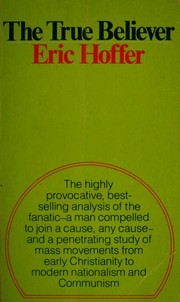 The True Believer:Thoughts on the Nature of Mass MovementsEric HofferA chillingly lucid dissection of the psychological hunger that drives ordinary people into the arms of fanatical movements.
 Hitler-MythosIan KershawA chilling, meticulous dissection of how a modern society was seduced by a manufactured savior.