Books › Black Elk speaks

Black Elk speaks
First published 1961 · 334 pages
A visionary and elegiac oral history that immerses the reader in the spiritual depth and tragic twilight of the traditional Lakota way of life.
What it feels like
Reading this book feels like sitting by a fire listening to an elder recount a world that is both profoundly beautiful and tragically lost. The narrative moves at a steady, reflective pace, anchored by a deeply mystical and elegiac mood. It is less a standard autobiography than a spiritual transmission, blending sweeping visions of the cosmos with the heartbreaking reality of colonial violence and cultural erasure. The prose carries the rhythmic, poetic cadence of oral storytelling, rich with natural imagery and quiet reverence. It is a devastating but awe-inspiring journey that shifts from the boundless hope of childhood prophecy to the profound sorrow of historical massacre. Readers who appreciate lyrical nature writing, Indigenous history, and profound spiritual reflections will find themselves completely absorbed by this haunting, timeless testament to resilience and memory.
- Mood
- mystical
- somber
- sweeping
- rooted
- Tone
- reverent
- elegiac
- visionary
- sorrowful
- Pace
- steady
- Themes
- spiritual connection to the earth · loss of a way of life · the burden of vision · cultural memory · colonial devastation
- The writing
- Lyrical and rhythmic, carrying the poetic cadence of oral storytelling rich with natural and mystical imagery.
- The arc
- Moves from the awe and wonder of childhood spiritual visions to the profound grief of cultural devastation and historical tragedy.
- Who it's for
- Readers seeking deep spiritual wisdom, Indigenous history, and a poetic, firsthand account of the American West's tragic transformation.
Content notes
- colonial violence
- massacre
- cultural genocide
- grief
- war
About the book
His life story and the story of the Oglala Sioux during the decades of the Little Big Horn, the ghost-dance rising, and the Wounded Knee massacre.
Description from Open Library.
Books like Black Elk speaks
See why they match Bury My Heart at Wounded KneeAmy ErlichA devastating, essential reckoning with the brutal realities of American expansion, told through the voices of those who survived its wake.
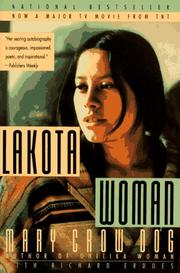 Lakota womanMary Brave BirdA fierce, unvarnished memoir of survival, resistance, and reclaiming one's spirit in the face of systemic erasure.
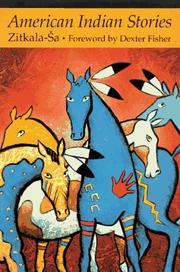 American Indian StoriesZitkala-SaA lyrical, heartbreaking, and fiercely defiant reflection on a childhood fractured by forced assimilation and the enduring strength of Indigenous identity.
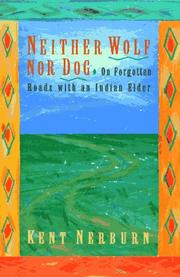 Neither wolf nor dogKent NerburnA quiet, transformative road trip through the Dakotas that asks you to stop talking and finally listen.
 The way to rainy mountainN. Scott MomadayA poetic, sun-baked pilgrimage through myth, history, and memory that connects a people to their ancestral landscape.
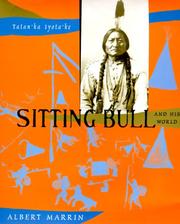 Sitting Bull and His WorldAlbert MarrinA deeply empathetic and sweeping historical journey that immerses readers in the life of a legendary leader and the resilient spirit of his people.