Books › Bury My Heart at Wounded Knee

Bury My Heart at Wounded Knee
First published 1971 · 551 pages
A devastating, essential reckoning with the brutal realities of American expansion, told through the voices of those who survived its wake.
What it feels like
Reading this book is a heavy, transformative experience that fundamentally shifts how you view the mythology of the American West. The pace is steady and methodical, marching through the late nineteenth century with an unflinching, documentary precision. It feels less like a traditional history and more like a massive, sorrowful chorus, as the narrative relies heavily on the direct quotes and testimonies of Native American leaders. The mood is undeniably devastating, steeped in the dread of broken promises and inevitable loss, yet it is also deeply respectful and elegiac. It demands a reader willing to sit with profound grief and righteous anger. This is a vital, sobering immersion into systemic injustice and the enduring resilience of indigenous cultures.
- Mood
- devastating
- sorrowful
- heavy
- reflective
- Tone
- somber
- unflinching
- elegiac
- authoritative
- Pace
- steady
- Themes
- systemic injustice · cultural erasure · broken promises · loss of homeland · indigenous resilience
- The writing
- The prose is clear, documentary, and deeply moving, anchoring its narrative in the direct, translated words of Native American leaders.
- The arc
- The reader journeys through a relentless cascade of betrayals, culminating in a profound, lingering grief and righteous anger.
- Who it's for
- Readers who want to confront the unvarnished, heartbreaking truths of American history and are willing to sit with the heavy weight of systemic injustice.
Content notes
- genocide
- massacres
- forced displacement
- starvation
- systemic racism
- war violence
About the book
An American Indian History, a 1970 book by American writer Dee Brown that covers the history of Native Americans primarily in the American West in the late nineteenth century. Although the title refers to a particular event location, many tribes from across the northern continent are included.
Description from Open Library.
Books like Bury My Heart at Wounded Knee
See why they match Black Elk speaksJohn G. NeihardtA visionary and elegiac oral history that immerses the reader in the spiritual depth and tragic twilight of the traditional Lakota way of life.
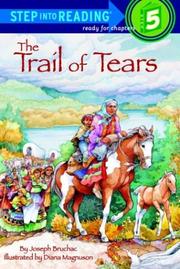 The Trail of TearsJoseph BruchacA sobering but deeply compassionate journey through one of history's darkest chapters, honoring the resilience of those who survived.
 Trail of TearsJohn EhleA somber, unflinching historical journey through systemic betrayal and the profound sorrow of forced displacement.
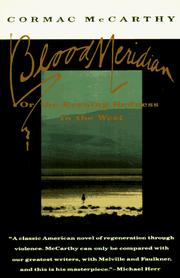 Blood MeridianCormac McCarthyA hallucinatory, blood-soaked descent into the darkest corners of the American West, delivered in prose that reads like dark scripture.
 Winter CountsDavid Heska Wanbli WeidenA gritty, hard-boiled descent into the shadows of the American justice system, fueled by fierce loyalty and the ghosts of history.
 Centennial 1James A. MichenerA sweeping, panoramic journey through the violent conflicts and rugged glory that shaped the American West.