Books › Bloodlands

Bloodlands
Europe Between Hitler and Stalin
640 pages
A harrowing, meticulously researched descent into the darkest geography of the twentieth century, demanding witness to unimaginable human suffering.
What it feels like
Reading this book is a profoundly heavy, necessary undertaking. It moves at a steady, deliberate pace, methodically mapping out the overlapping atrocities of two totalitarian regimes. The mood is undeniably harrowing and dread-soaked, yet the narrative is anchored by a deeply humane undercurrent that refuses to let individual lives be reduced to mere statistics. The prose is stark, clear, and unflinching, avoiding emotional manipulation in favor of presenting devastating facts with scholarly rigor. It is an emotionally taxing experience that leaves the reader with a lingering sense of grief and a transformed understanding of modern history. This is a vital, sobering read for those who seek to confront the darkest realities of human cruelty with clear-eyed intellectual courage.
- Mood
- devastating
- harrowing
- heavy
- dread-soaked
- Tone
- unflinching
- scholarly
- humane
- somber
- authoritative
- Pace
- steady
- Themes
- the scale of human cruelty · totalitarianism and ideology · erasure of individual lives · historical memory · the geography of suffering
- The writing
- Clear, meticulous, and starkly objective, allowing the unimaginable horror of the facts to speak for themselves without relying on melodrama.
- The arc
- Begins with a chilling overview of ideological machinery and descends into a profound, devastating grief for the millions of individual lives extinguished.
- Who it's for
- Readers of serious, rigorous history who are willing to confront the darkest chapters of the twentieth century with moral clarity.
Content notes
- genocide
- mass murder
- starvation
- graphic violence
- antisemitism
- war crimes
- torture
About the book
Americans call the Second World War "The Good War." But before it even began, America's wartime ally Josef Stalin had killed millions of his own citizens -- and kept killing them during and after the war. Before Hitler was finally defeated, he had murdered six million Jews and nearly as many other Europeans. At war's end, both the German and the Soviet killing sites fell behind the iron curtain, leaving the history of mass killing in darkness.Bloodlands is a new kind of European history, presenting the mass murders committed by the Nazi and Stalinist regimes as two aspects of a single history, in the time and place where they occurred: between Germany and Russia, when Hitler and Stalin both held power. Assiduously researched, deeply humane, and utterly definitive, Bloodlands will be required reading for anyone seeking to understand the central tragedy of modern history. - Publisher.
Description from Open Library.
Books like Bloodlands
See why they match The Second World WarAntony BeevorA sweeping, unflinching narrative that plunges you into the staggering scale and intimate horrors of a defining global conflict.
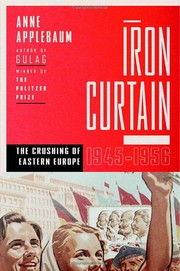 Iron CurtainAnne ApplebaumA chilling, meticulously detailed descent into the mechanics of totalitarianism and the suffocating reality of life under absolute state control.
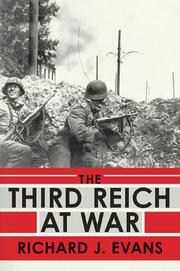 The Third Reich at warRichard J. EvansA sweeping, harrowing descent into the daily realities and terrifying climax of a nation rushing headlong toward self-destruction.
 On TyrannyTimothy Snyder and Núria Parés SellarésA pocket-sized klaxon call that transforms historical dread into a sharp, actionable manual for democratic survival.
 StalingradAntony BeevorA monumental, harrowing descent into the frozen hell of the Eastern Front, told through the eyes of those who lived and died there.
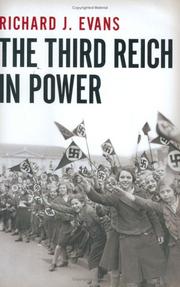 The Third Reich in power, 1933-1939Richard J EvansA monumental, dread-inducing masterclass in historical synthesis that meticulously charts a modern society's descent into totalitarian darkness.