Books › Iron Curtain
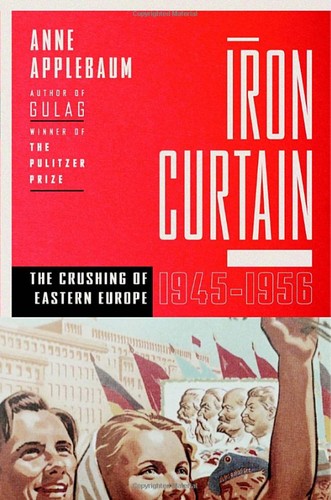
Iron Curtain
The Crushing of Eastern Europe 1944-56
704 pages
A chilling, meticulously detailed descent into the mechanics of totalitarianism and the suffocating reality of life under absolute state control.
What it feels like
Reading this book feels like watching a slow, inevitable eclipse as the shadow of totalitarianism creeps across a fractured continent. The pace is steady and deliberate, anchoring you in the chilling, methodical ways a society is dismantled and rebuilt from the inside out. The mood is undeniably oppressive and claustrophobic, steeped in the dread of secret police and the quiet tragedies of moral compromise. Yet, beneath the sobering historical analysis lies a deeply empathetic core that honors the resilience of ordinary people caught in an ideological meat grinder. The prose is lucid and authoritative, weaving sweeping geopolitical shifts with devastating personal testimonies. It is a profound, immersive experience for history enthusiasts and anyone captivated by the psychological mechanics of survival under absolute state control.
- Mood
- oppressive
- claustrophobic
- chilling
- somber
- Tone
- authoritative
- sobering
- analytical
- unflinching
- Pace
- steady
- Themes
- erosion of civil society · mechanics of totalitarianism · moral compromise · psychological survival · state control
- The writing
- Lucid and meticulously researched, blending sweeping geopolitical analysis with devastatingly intimate human testimonies.
- The arc
- Moves from the chaotic devastation of post-war ruin into a suffocating, systematic repression, leaving the reader with a profound sense of historical grief and awe at human endurance.
- Who it's for
- Readers fascinated by 20th-century history and the psychological realities of how ordinary people adapt to authoritarian regimes.
Content notes
- political persecution
- state violence
- torture
- war trauma
- antisemitism
About the book
In the follow-up to her previous book "Gulag," the author, a journalist delivers a history of how Communism took over Eastern Europe after World War II and transformed in frightening fashion the individuals who came under its sway. At the end of World War II, the Soviet Union, to its surprise and delight, found itself in control of a huge swath of territory in Eastern Europe. Josef Stalin and his secret police set out to convert a dozen radically different countries to Communism, a completely new political and moral system. In this book, the author describes how the Communist regimes of Eastern Europe were created and what daily life was like once they were complete. She draws on newly opened East European archives, interviews, and personal accounts translated for the first time to portray in detail the dilemmas faced by millions of individuals trying to adjust to a way of life that challenged their every belief and took away everything they had accumulated. Today the Soviet Bloc is a lost civilization, one whose cruelty, paranoia, bizarre morality, and strange aesthetics is captured in the pages of this book.
Description from Open Library.
Books like Iron Curtain
See why they match GulagAnne ApplebaumA monumental, unflinching descent into the architecture of totalitarian terror and the staggering resilience of those trapped within its shadow.
 BloodlandsTimothy SnyderA harrowing, meticulously researched descent into the darkest geography of the twentieth century, demanding witness to unimaginable human suffering.
 The Road to UnfreedomTimothy SnyderA chilling, intellectually rigorous autopsy of modern democracy's vulnerabilities and the creeping shadow of authoritarianism.
 StasilandAnna FunderA haunting, deeply human exploration of life under the ultimate surveillance state, told through the hushed voices of those who survived it.
 The great terrorRobert ConquestA scrupulous and deeply disturbing chronicle that blends poetic prose with rigorous research to capture the tragedy of state-sponsored terror.
 Red PlentyFrancis SpuffordA brilliant, tragicomic exploration of a doomed utopia, where the magic of mathematics collides with the messy reality of human nature.