Books › Bringing up bébé

Bringing up bébé
284 pages
A journalist's witty, observant deep-dive into the cultural secrets of raising well-behaved children without losing your own identity.
What it feels like
Reading this book feels like sitting at a Parisian café with a witty, observant friend who is furiously taking notes on the effortlessly calm mothers around her. It blends the inquisitive pacing of a journalist's investigation with the relatable, sometimes envious reflections of a new parent navigating the chaotic waters of child-rearing. The mood is curious and lighthearted, offering a refreshing escape from the pressure-cooker of intensive, guilt-ridden parenting. The prose is sharp, anecdotal, and deeply personal, weaving cultural sociology with everyday diaper-bag realities. It is a perfect read for overwhelmed parents seeking a guilt-free, balanced approach to motherhood, offering a reassuring glimpse into a world where children discover life at their own pace while parents reclaim their own identities.
- Mood
- curious
- lighthearted
- calm
- Tone
- observational
- inquisitive
- wry
- reflective
- Pace
- brisk
- Themes
- cross-cultural parenting · maternal guilt and freedom · childhood autonomy · cultural expectations of motherhood
- The writing
- Journalistic yet deeply personal, blending sharp cultural observation with relatable maternal anecdotes.
- The arc
- Moves from overwhelmed curiosity and envy to a structured understanding of a calmer, more authoritative approach to family life.
- Who it's for
- Parents, especially mothers, feeling overwhelmed by intensive child-rearing cultures and looking for a more balanced, guilt-free approach.
Content notes
- parenting anxiety
- maternal guilt
About the book
"The secret behind France's astonishingly well-behaved children. When American journalist Pamela Druckerman has a baby in Paris, she doesn't aspire to become a "French parent." French parenting isn't a known thing, like French fashion or French cheese. Even French parents themselves insist they aren't doing anything special. Yet, the French children Druckerman knows sleep through the night at two or three months old while those of her American friends take a year or more. French kids eat well-rounded meals that are more likely to include braised leeks than chicken nuggets. And while her American friends spend their visits resolving spats between their kids, her French friends sip coffee while the kids play. Motherhood itself is a whole different experience in France. There's no role model, as there is in America, for the harried new mom with no life of her own. French mothers assume that even good parents aren't at the constant service of their children and that there's no need to feel guilty about this. They have an easy, calm authority with their kids that Druckerman can only envy. Of course, French parenting wouldn't be worth talking about if it produced robotic, joyless children. In fact, French kids are just as boisterous, curious, and creative as Americans. They're just far better behaved and more in command of themselves. While some American toddlers are getting Mandarin tutors and preliteracy training, French kids are-by design-toddling around and discovering the world at their own pace. With a notebook stashed in her diaper bag, Druckerman-a former reporter for the Wall Street Journal sets out to learn the secrets to raising a society of good little sleepers, gourmet eaters, and reasonably relaxed parents. She discovers that French parents are extremely strict about some things and strikingly permissive about others. And she realizes that to be a different kind of parent, you don't just need a different parenting philosophy. You need a very different view of what a child actually is. While finding her own firm "non", Druckerman discovers that children-including her own-are capable of feats she'd never imagined."--Provided by publisher.
Description from Open Library.
Books like Bringing up bébé
See why they match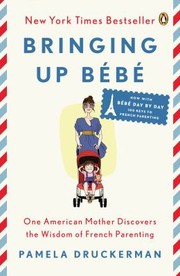 Bringing Up BebePamela DruckermanA witty, reassuring passport to a more relaxed and civilized approach to motherhood.
 CribsheetEmily OsterA cool-headed, data-driven antidote to the overwhelming anxiety and conflicting advice of early parenthood.
 Battle Hymn of the Tiger MotherAmy ChuaA fiercely unapologetic and ultimately humbling plunge into the high-stakes world of extreme parenting and cultural collision.
 The Sweet Life in ParisDavid LebovitzA wry, mouth-watering stroll through the maddening quirks and culinary delights of Parisian expat life.
 On becoming babywiseJose AndresA highly structured, prescriptive manual offering exhausted parents a systematic blueprint for infant sleep and family sanity.
 Hold on to your kidsGordon NeufeldA paradigm-shifting exploration of childhood attachment that challenges modern parenting norms and offers a compassionate roadmap back to your child's heart.