Books › Hold on to your kids

Hold on to your kids
352 pages
A paradigm-shifting exploration of childhood attachment that challenges modern parenting norms and offers a compassionate roadmap back to your child's heart.
What it feels like
Reading this book feels like sitting down with a wise, empathetic mentor who gently dismantles everything you thought you knew about raising kids in the modern world. The pace is steady and deliberate, asking you to pause and reflect as it unpacks the psychological costs of a culture that prioritizes peer socialization over family attachment. The mood is initially sobering—even alarming—as the authors hold a mirror up to the alienation of modern childhood, but it gradually shifts into a space of profound hope and empowerment. The prose is articulate and humane, translating complex developmental psychology into poignant truths. It will deeply resonate with parents and caregivers who are tired of behavioral quick-fixes and are yearning for a fundamental, heart-centered reconnection with the children in their lives.
- Mood
- sobering
- reflective
- empathetic
- hopeful
- Tone
- compassionate
- urgent
- authoritative
- cautionary
- earnest
- Pace
- steady
- Themes
- the primacy of attachment · dangers of peer orientation · reclaiming parental intuition · emotional vulnerability · modern alienation
- The writing
- Articulate and psychologically rich, blending clinical insight with poignant, accessible observations about human nature.
- The arc
- Begins with a sobering wake-up call about modern childhood alienation and gradually builds toward an empowering, deeply reassuring path to reconnection.
- Who it's for
- Parents and caregivers who feel a growing distance between themselves and their children, seeking a profound, attachment-based approach to raising them.
Content notes
- bullying
- youth suicide mentions
- childhood emotional distress
About the book
Canadian doctors Neufeld and Maté woke up one day to find that their children had become secretive and unreachable. Pining for time with friends, they recoiled or grew hostile around adults. Why? The problem, Neufeld and co-writer Maté suggest, lies in a long-established, though questionable, belief that the earliest possible mastery of the rules of social acceptance leads to success. In a society that values its economy over culture, the book states, the building of strong adult/child attachments gets lost in the shuffle. Multiple play dates, day care, preschool and after school activities groom children to transfer their attachment needs from adults to their peers. They become what the authors call "peer oriented." The result is that they squelch their individuality, curiosity and intelligence to become part of a group whose members attend school less to learn than to socialize. And these same children are bullying, shunning and murdering each other, as well as committing suicide, at increasing rates. The authors' meticulous exploration of the problem can be profoundly troubling. However, their candidness and exposition lead to numerous solutions for reestablishing a caring adult hierarchy. Beautifully written, this terrific, poignant book is already a bestseller in Canada.
Description from Open Library.
Books like Hold on to your kids
See why they match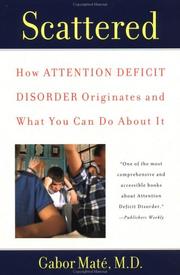 ScatteredGabor Maté, MDA deeply empathetic reframing of a misunderstood condition that replaces shame with profound self-compassion and understanding.
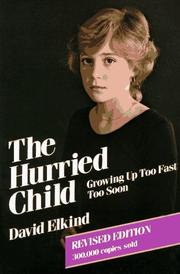 The hurried childDavid ElkindA compassionate, eye-opening plea to let kids be kids in a world that demands they grow up too fast.
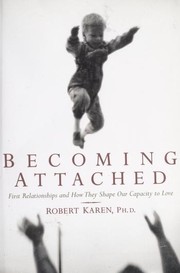 Becoming attachedRobert KarenA profound, illuminating journey into the science of human connection and the childhood roots of how we love.
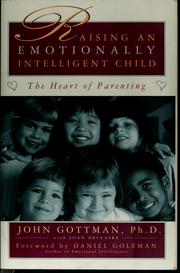 Raising an emotionally intelligent childJohn Mordechai GottmanA compassionate, research-backed roadmap for turning emotional meltdowns into moments of profound connection.
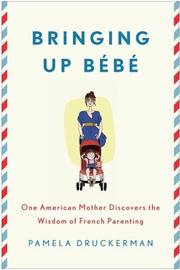 Bringing up bébéPamela DruckermanA journalist's witty, observant deep-dive into the cultural secrets of raising well-behaved children without losing your own identity.
 The disappearance of childhoodNeil PostmanA sharp, elegiac cultural critique that makes you look at screens, society, and the concept of youth through an entirely new, slightly unsettling lens.