Books › Bury Me Standing
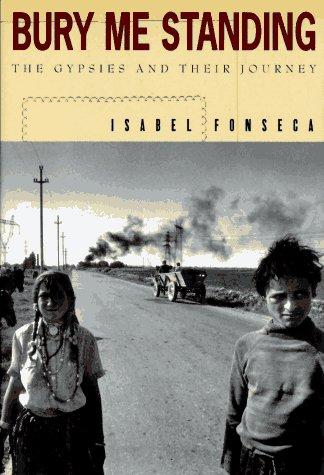
Bury Me Standing
First published 1995 · 336 pages
An intimate, unflinching journey into the lives, history, and enduring resilience of a deeply misunderstood people.
What it feels like
Reading this book feels like sitting by a fire listening to deeply human stories before being swept into the sobering currents of history. The pace is steady and deliberate, anchoring you in vivid, unforgettable portraits of individuals from poets to politicians before zooming out to trace centuries of relentless persecution and survival. The mood is intimately somber yet fiercely respectful, balancing the harrowing weight of enslavement, genocide, and modern displacement with the vibrant wit and wisdom of a marginalized culture. The prose is both journalistic and deeply empathetic, refusing to look away from systemic violence while celebrating cultural resilience. It will deeply move readers who seek immersive narrative non-fiction that humanizes the overlooked and confronts the darker chapters of European history.
- Mood
- somber
- intimate
- reflective
- harrowing
- Tone
- empathetic
- observational
- serious
- respectful
- unflinching
- Pace
- steady
- Themes
- cultural resilience · systemic persecution · outsider identity · historical trauma · humanizing the marginalized
- The writing
- Vivid and journalistic, blending deeply personal portraiture with rigorous historical documentation.
- The arc
- Moves from intimate, personal encounters to a sweeping, sobering confrontation with centuries of relentless historical trauma.
- Who it's for
- Readers who appreciate immersive, empathetic narrative non-fiction that sheds light on marginalized cultures and hidden histories.
Content notes
- persecution and discrimination
- enslavement
- genocide
- child prostitution
- mob violence
About the book
After the revolutions of 1989, the author lived and traveled with the Gypsies of Bulgaria, Poland, the Czech Republic and Slovakia, the former Yugoslavia, Romainia, and Albania -- listening to their stories and recording their attempts to become something more than despised outsiders. In this book, alongside unforgettable portraits of individuals -- the poet, the politician, the child prostitute- - are vivid insights into the wit, language, wisdom, and taboos of the Roma. The author also traces their long-ago exodus out of India and their history of relentless persecution: enslaved by the princes of medieval Romania; massacred by the Nazis in what the Roma call "the Devouring"; forcibly assimilated by the communist regime; and, most recently, evicted from their settlements by nationalistic mobs in the new "democracies" of the East, and under violent attack in the Western countries to which many have fled.
Description from Open Library.
Books like Bury Me Standing
See why they match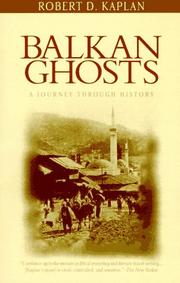 Balkan GhostsRobert D. KaplanA brooding, atmospheric journey through a landscape where the past is never dead, and history bleeds into the present.
 The strange death of EuropeDouglas MurrayA somber, urgent lament for a continent's shifting cultural identity and uncertain future.
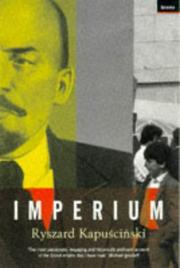 ImperiumRyszard KapuscinskiA haunting, lyrical journey through the ruins of a collapsing empire, guided by a deeply empathetic observer.
 StasilandAnna FunderA haunting, deeply human exploration of life under the ultimate surveillance state, told through the hushed voices of those who survived it.
 The FixerJoe SaccoA gritty, boots-on-the-ground descent into the moral gray zones of war reporting and the desperate hustle of survival.
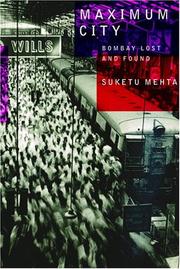 Maximum CitySuketu MehtaA visceral, kaleidoscopic plunge into the beautiful, brutal, and relentless heart of a modern megacity.