Books › Imperium

Imperium
First published 1993 · 428 pages
A haunting, lyrical journey through the ruins of a collapsing empire, guided by a deeply empathetic observer.
What it feels like
Reading this book feels like riding a slow train through a vast, freezing, and fractured landscape alongside a brilliant, melancholic conversationalist. The pace is steady and deliberate, allowing the sheer scale of the collapsing empire to sink in while pausing for intimate, deeply human encounters. The mood is somber and atmospheric, steeped in the weight of history and the lingering ghosts of totalitarianism, yet it is continually warmed by the author's profound empathy for ordinary people surviving in the margins. The prose is a masterful blend of sharp journalistic observation and lyrical philosophy. It will deeply satisfy readers who crave literary travelogues and history told not from the top down, but from the muddy, chaotic ground up.
- Mood
- desolate
- haunting
- expansive
- somber
- atmospheric
- Tone
- observant
- reflective
- empathetic
- melancholic
- philosophical
- Pace
- steady
- Themes
- the weight of history · imperial collapse · resilience of ordinary people · absurdity of totalitarianism · memory and trauma
- The writing
- Lyrical, deeply observant, and philosophical, blending sharp reportage with literary grace.
- The arc
- Moves from a sense of vast, oppressive history to intimate, poignant encounters with individuals surviving the wreckage.
- Who it's for
- Readers who appreciate literary journalism, history told through personal encounters, and evocative travel writing about places in transition.
Content notes
- political oppression
- historical trauma
- discussions of gulags
- poverty
- state violence
About the book
"Between 1989 and 1991, Kapuscinski made a series of extended journeys through the disintegrating Soviet empire, and his account of these forms the heart of the book. Bypassing official institutions and itineraries, he traversed the Soviet territory alone, from the border of Poland to the site of the most infamous gulags in far-eastern Siberia (where "nature pals it up with the executioner"), from above the Arctic Circle to the edge of Afghanistan, visiting dozens of cities and towns and outposts, traveling more than 40,000 miles, venturing into the individual lives of men, women, and children in order to understand the collapsing but still various larger life of the empire." "Bringing the book to a close is a collection of notes which, Kapuscinski writes, "arose in the margins of my journeys" - reflections on the state of the ex-USSR and on his experience of having watched its fate unfold "on the screen of a television set... as well as on the screen of the country's ordinary, daily reality, which surrounded me during my travels." It is this "schizophrenic perception in two different dimensions" that enabled Kapuscinski to discover and illuminate the most telling features of a society in dire turmoil." "Imperium is a remarkable work from one of the most original and sharply perceptive interpreters of our world - a galvanizing narrative deeply informed by Kapuscinski's limitless curiosity and his passion for truth, and suffused with his vivid sense of the overwhelming importance of history as it is lived, and of our constantly shifting places within it."--BOOK JACKET.
Description from Open Library.
Books like Imperium
See why they match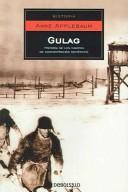 GulagAnne ApplebaumA monumental, unflinching descent into the architecture of totalitarian terror and the staggering resilience of those trapped within its shadow.
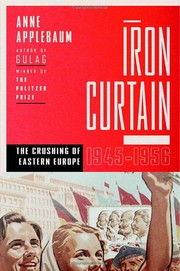 Iron CurtainAnne ApplebaumA chilling, meticulously detailed descent into the mechanics of totalitarianism and the suffocating reality of life under absolute state control.
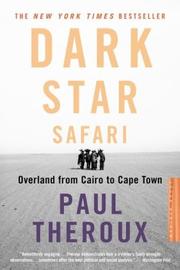 Dark star safariPaul TherouxA gritty, unvarnished overland journey that trades romanticized safaris for the dusty, chaotic, and deeply human reality of a continent.
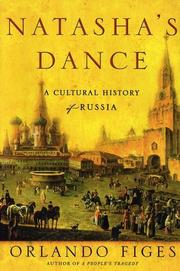 Natasha's DanceOrlando FigesA sweeping, deeply textured journey into the soul of a nation, told through the artists, peasants, and dreamers who shaped it.
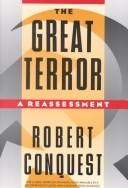 The great terrorRobert ConquestA scrupulous and deeply disturbing chronicle that blends poetic prose with rigorous research to capture the tragedy of state-sponsored terror.
 The Old WaysRobert MacfarlaneA lyrical, slow-paced meditation on how the landscapes we walk through shape the landscapes of our minds.