Books › Calico Captive

Calico Captive
288 pages
A classic tale of survival and adaptation that sweeps from a grueling wilderness march to the complex social tapestry of 18th-century Montreal.
What it feels like
Reading this classic historical novel feels like stepping into a vivid, meticulously researched time capsule. The narrative moves at a steady, deliberate pace, anchoring the reader first in the visceral, harrowing reality of a forced wilderness march, before opening up into the vibrant, shifting cultural landscape of 1750s Montreal. The prose is straightforward yet elegant, carrying an earnest tone that highlights the protagonist's quiet resilience and gradual awakening to a wider world. It is less about the battles of the French and Indian War and more about the internal landscape of a young woman forced to adapt, survive, and ultimately redefine her sense of self and home. It will deeply satisfy readers who cherish immersive, character-driven historical fiction and coming-of-age journeys marked by profound cultural shifts.
- Mood
- harrowing
- immersive
- hopeful
- Tone
- earnest
- observant
- resilient
- reflective
- Pace
- steady
- Themes
- coming of age through adversity · cultural adaptation · resilience and survival · redefining home
- The writing
- Clear, descriptive, and historically grounded, with a straightforward elegance typical of mid-century children's literature.
- The arc
- Moves from sudden terror and grueling physical endurance to a nuanced awakening of independence and cultural curiosity.
- Who it's for
- Readers who love classic, character-driven historical fiction where young protagonists discover their inner strength in unfamiliar worlds.
Content notes
- kidnapping and captivity
- historical depictions of Indigenous peoples
- infant peril
- war and displacement
About the book
In the year 1754, the stillness of Charlestown, New Hampshire, is shattered by the terrifying cries of an Indian raid. Young Miriam Willard, on a day that had promised new happiness, finds herself instead a captive on a forest trail, caught up in the ebb and flow of the French and Indian War.
It is a harrowing march north. Miriam can only force herself to the next stopping place, the next small portion of food, the next icy stream to be crossed. At the end of the trail waits a life of hard work and, perhaps, even a life of slavery. Mingled with her thoughts of Phineas Whitney, her sweetheart on his way to Harvard, is the crying of her sister’s baby, Captive, born on the trail.
Miriam and her companions finally reach Montreal, a city of shifting loyalties filled with the intrigue of war, and here, by a sudden twist of fortune, Miriam meets the prominent Du Quesne family, who introduce her to a life she has never imagined. Based on an actual narrative diary published in 1807, Calico Captive skillfully reenacts an absorbing facet of history.
Description from Open Library.
Books like Calico Captive
See why they match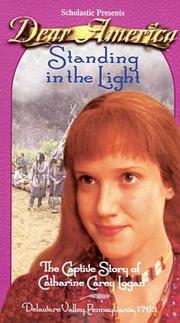 Dear AmericaMary Pope OsborneAn intimate, diary-format historical adventure where fear gives way to cross-cultural empathy and unexpected romance.
 The Witch of Blackbird PondElizabeth George SpeareA spirited outsider fights to keep her vibrant soul alive in a gray, unforgiving world.
 Indian captiveLois LenskiA poignant, deeply observant journey of a young girl losing one world and slowly, bravely growing roots in another.
 The Sign of the BeaverElizabeth George SpeareA quiet, woodsy tale of survival that slowly blossoms into a profound story of mutual respect and cross-cultural friendship.
 Johnny TremainEsther ForbesA richly textured journey of shattered pride and newfound purpose set against the simmering tension of a brewing revolution.
 Captivity and RestorationRowlandson, MaryA stark, foundational seventeenth-century survival narrative steeped in colonial conflict, harsh winters, and profound grief.