Books › Captivity and Restoration

Captivity and Restoration
First published 2001 · 192 pages
A stark, foundational seventeenth-century survival narrative steeped in colonial conflict, harsh winters, and profound grief.
What it feels like
Reading this foundational piece of early American literature feels like stepping into a bleak, freezing seventeenth-century winter. The narrative moves with a steady, somber weight, anchored by the stark realities of sudden violence, forced captivity, and the devastating loss of a child. It is a deeply earnest and historically heavy text, blending the raw, tense atmosphere of a survival ordeal with the moralizing, religious undertones of colonial sermons. The mood is undeniably harsh and dread-soaked, reflecting the brutal exposure to the elements and the trauma of displacement. It will captivate readers drawn to the origins of the American literary tradition, offering a gripping, unvarnished glimpse into the grueling physical and emotional endurance required during colonial conflicts.
- Mood
- bleak
- tense
- cold
- dread-soaked
- Tone
- somber
- earnest
- didactic
- harrowing
- Pace
- steady
- Themes
- survival and endurance · grief and loss · colonial conflict · religious framing of trauma
- The writing
- A foundational seventeenth-century autobiographical account, blending stark survival details with the earnest, moralizing rhetoric of colonial sermons.
- The arc
- Moves from sudden, violent disruption and profound grief to a grueling endurance, culminating in a somber restoration.
- Who it's for
- Readers fascinated by early American history, foundational literary genres, and firsthand accounts of colonial-era survival.
Content notes
- child death
- kidnapping and captivity
- colonial violence
- historical prejudice
- exposure to harsh weather
About the book
In February 1676, during King Philip's War, the frontier village of Lancaster, Massachusetts, was attacked by a party of Nipmuck Indians and completely destroyed. As relief from Concord approached, the attackers withdrew, taking with them 24 captives, including Mrs. Mary Rowlandson and her three children.
For almost three months the little family was forced to live with their captors and endure exposure to a New England winter.The youngest child, who had been injured during the attack, failed to survive. Eventually ransom was paid and the family released.
Mrs. Rowlandson's account of her experience was published in 1682. It became a"best-seller" of its day and created a new literary genre, the captivity narrative. Such accounts were in part responsible for the mistrust and hatred of the Indians that plagued the country for centuries. It is also the first publication in English by a woman in the New World.
Description from Open Library.
Books like Captivity and Restoration
See why they match Calico CaptiveElizabeth George SpeareA classic tale of survival and adaptation that sweeps from a grueling wilderness march to the complex social tapestry of 18th-century Montreal.
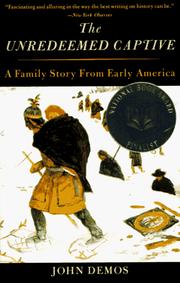 The Unredeemed CaptiveJohn DemosA contemplative and deeply researched immersion into the cultural collisions and fractured families of early America.
 Indian captiveLois LenskiA poignant, deeply observant journey of a young girl losing one world and slowly, bravely growing roots in another.
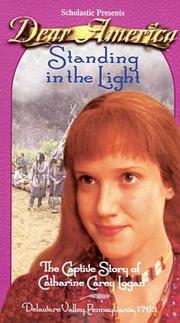 Dear AmericaMary Pope OsborneAn intimate, diary-format historical adventure where fear gives way to cross-cultural empathy and unexpected romance.
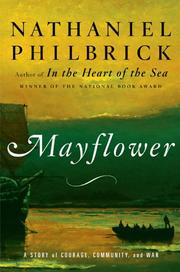 MayflowerNathaniel PhilbrickA spellbinding, electrifying re-examination of a foundational myth that balances heroism with profound historical tragedy.
 The Wept of Wish-ton-wish: A TaleJames Fenimore CooperA formal, atmospheric journey into the tense and somber realities of early American frontier conflict.