Books › Change by design

Change by design
First published 2009 · 264 pages
An empowering, pragmatic guide that reframes complex challenges as opportunities for human-centered design.
What it feels like
Reading this book feels like stepping into a bright, bustling studio where every problem is just a prototype waiting to happen. The pace is steady and deliberate, guiding you through the architecture of innovation without ever getting bogged down in academic jargon. It carries an optimistic, pragmatic tone that dismantles the myth of the lone genius, replacing it with a deeply collaborative, human-centered approach to creativity. The prose is clear and grounded, using vivid real-world case studies to make abstract concepts tangible. It is an intellectually stimulating experience that leaves you looking at everyday frustrations as puzzles to be solved. This is the perfect read for leaders, creatives, and anyone eager to transform messy constraints into elegant solutions.
- Mood
- intellectually stimulating
- forward-looking
- solution-oriented
- Tone
- optimistic
- authoritative
- pragmatic
- inspiring
- analytical
- Pace
- steady
- Themes
- the democratization of innovation · human-centered problem solving · embracing constraints · collaborative creativity
- The writing
- Clear, accessible, and anecdote-rich, translating abstract methodologies into concrete, real-world examples.
- The arc
- Moves from demystifying the myth of the lone genius to empowering the reader with actionable, collaborative frameworks for change.
- Who it's for
- Professionals, creatives, and leaders looking to break out of stagnant problem-solving routines and foster a culture of innovation.
About the book
The myth of innovation is that brilliant ideas leap fully formed from the minds of geniuses. In reality, most innovations are borne from rigor and discipline. Breakthrough ideas-whether for a new bicycle, an advertising campaign, a treatment plan for diabetes, or a program aimed at tackling the national obesity epidemic-emerge not by chance, but by studying and embracing the immediate challenges we encounter every day in our offices and homes, laboratories and hospitals, classrooms and conference rooms, and in all the spaces in between. We don't simply realize solutions; we design them. In this book Tim Brown, CEO of the celebrated innovation and design firm IDEO, introduces us to design thinking. Design is not just about creating elegant objects or beautifying the world around us. The best designers match necessity to utility, constraint to possibility, and need to demand. These design thinkers rely on rigorous observations of how we use spaces and the objects and services that occupy them; they discover patterns where others see complexity and confusion; they synthesize new ideas from seemingly disparate fragments; and they convert problems into opportunities. Design thinking is a method in which genius, in the end, is not required. Design thinking is valuable not just in so-called creative industries or for people tasked with designing products. Rather, it is often most powerful when applied to abstract, multifaceted problems: improving a guest experience at a hotel, encouraging bank customers to save more, or developing a compelling narrative for a public-service campaign. It has been used by organizations such as Nokia to rethink global gaming and by the Department of Energy to encourage conservation. Design thinking is now being applied to address a wide range of issues and concerns, from the delivery of clean drinking water in the developing world to improving the efficacy of airport security and microfinancing. This is not a book by designers for designers; this is a blueprint for creative leaders seeking to infuse design thinking-an approach for creative problem solving-into all facets of their organizations, products, or services to discover new alternatives for business and society as a whole. Written with imagination, humor, and vision, this vital and inspiring guide is essential reading for anyone confronting the challenges of today in order to create the opportunities of tomorrow.
Description from Open Library.
Books like Change by design
See why they match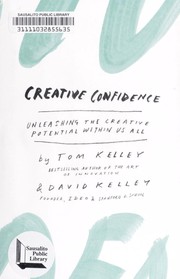 Creative ConfidenceTom Kelley and David KelleyA warm, practical masterclass in dismantling self-doubt and rediscovering the joy of everyday innovation.
 OriginalsAdam GrantAn invigorating intellectual dinner party that leaves you feeling equipped to change the world, or at least your workplace.
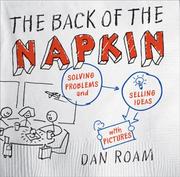 The Back of the NapkinDan RoamAn energizing toolkit that strips away corporate complexity to reveal the power of simple, visual problem-solving.
 Good to GreatJim CollinsA methodical, research-backed roadmap that transforms the daunting challenge of organizational excellence into a series of disciplined, actionable steps.
 Leading ChangeJohn P. KotterA pragmatic, step-by-step masterclass in steering the massive, stubborn ship of human behavior toward a new horizon.
 Jony IveLeander KahneyA sleek, admiring portrait of the quiet perfectionist who shaped the modern technological aesthetic.