Books › Leading Change

Leading Change
First published 1996 · 187 pages
A pragmatic, step-by-step masterclass in steering the massive, stubborn ship of human behavior toward a new horizon.
What it feels like
Reading this book feels like sitting down with a seasoned, no-nonsense mentor who has seen every corporate disaster and triumph imaginable. It moves at a steady, methodical pace, replacing the chaotic anxiety of organizational upheaval with a calming, structured clarity. The mood is distinctly professional yet deeply human, acknowledging that businesses are made of people who naturally resist change. The prose is accessible and conversational, stripping away dense academic jargon in favor of crisp anecdotes and an actionable eight-step framework. It is an empowering, forward-looking experience that takes the reader from the daunting pressure of modern business challenges to a place of confident, visionary leadership. This is essential reading for managers and executives desperate to turn sluggish bureaucracy into agile innovation.
- Mood
- professional
- forward-looking
- structured
- urgent
- Tone
- authoritative
- pragmatic
- encouraging
- clear-headed
- earnest
- Pace
- steady
- Themes
- organizational transformation · visionary leadership · overcoming resistance · strategic execution · human behavior in business
- The writing
- Clear, accessible, and structured, relying on real-world anecdotes and straightforward frameworks rather than dense academic jargon.
- The arc
- Moves from the anxiety of stagnation and failed initiatives to the empowering clarity of a structured, actionable path forward.
- Who it's for
- Managers, executives, and aspiring leaders who are tasked with navigating or driving significant organizational shifts.
About the book
What will it take to bring your organization successfully into the twenty-first century? The world's foremost expert on business leadership distills twenty-five years of experience and wisdom based on lessons he has learned from scores of organizations and businesses to write this visionary guide. The result is a very personal book that is at once inspiring, clear-headed, and filled with important implications for the future. The pressures on organizations to change will only increase over the next decades. Yet the methods managers have used in the attempt to transform their companies into stronger competitors -- total quality management, reengineering, right sizing, restructuring, cultural change, and turnarounds -- routinely fall short, says Kotter, because they fail to alter behavior. Emphasizing again and again the critical need for leadership to make change happen, Leading Change provides the vicarious experience and positive role models for leaders to emulate. The book identifies an eight-step process that every company must go through to achieve its goal, and shows where and how people -- good people -- often derail. Reading this highly personal book is like spending a day with John Kotter. It reveals what he has seen, heard, experienced, and concluded in many years of working with companies to create lasting transformation. The book is an inspirational yet practical resource for everyone who has a stake in orchestrating changes in their organization. In Leading Change we have unprecedented access to our generation's master of leadership. - Jacket flap.
Description from Open Library.
Books like Leading Change
See why they match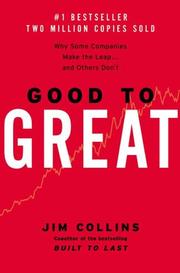 Good to GreatJim CollinsA methodical, research-backed roadmap that transforms the daunting challenge of organizational excellence into a series of disciplined, actionable steps.
 The Fifth DisciplinePeter M. SengeA paradigm-shifting masterclass in seeing the hidden webs of connection that drive human collaboration and success.
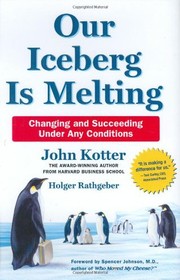 Our Iceberg Is MeltingJohn KotterA charming, allegorical fable that transforms complex organizational psychology into an accessible tale of penguins facing a crisis.
 Principle-Centered LeadershipStephen R. CoveyA grounded, inside-out guide to finding balance and unleashing potential in a high-pressure world.
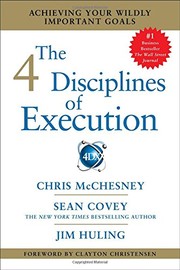 The 4 disciplines of executionChris McChesneyA pragmatic, energizing blueprint for cutting through the noise of daily tasks to actually get the big things done.
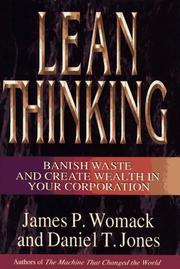 Lean thinkingJames P. WomackA pragmatic, clarifying blueprint for stripping away the unnecessary and building systems that actually work.