Books › Chickenhawk

Chickenhawk
492 pages
A white-knuckle descent into the chaos of helicopter combat and the devastating psychological toll of an unwinnable war.
What it feels like
Reading this memoir feels like being strapped into the pilot's seat of a Huey gunship, surrounded by the deafening roar of rotors and the chaotic terror of the Vietnam War. The pace is propulsive, driven by the sheer adrenaline of combat missions, but the atmosphere grows increasingly heavy and dread-soaked as the reality of the conflict sets in. The prose is unvarnished and highly technical, yet deeply accessible, grounding the reader in the visceral mechanics of flying while exposing the raw, psychological unraveling of the men at the controls. It traces a harrowing emotional arc from eager patriotism to profound disillusionment and trauma. This is an essential, gripping read for anyone drawn to unflinching, candid accounts of military history that confront both the intoxicating rush of battle and its devastating aftermath.
- Mood
- tense
- adrenaline-fueled
- harrowing
- sobering
- Tone
- candid
- gritty
- visceral
- cynical
- reflective
- Pace
- propulsive
- Themes
- trauma of war · loss of innocence · adrenaline addiction · psychological unraveling · civilian disconnect
- The writing
- Direct, unvarnished, and highly technical yet accessible, delivering visceral impact without literary pretension.
- The arc
- Begins with eager, adrenaline-fueled anticipation and descends into profound disillusionment, terror, and psychological scarring.
- Who it's for
- Readers who want an unflinching, in-the-cockpit account of war that doesn't shy away from the ugly psychological aftermath.
Content notes
- graphic war violence
- PTSD and trauma
- alcoholism
- drug use
- death of comrades
About the book
Title of Review: "Helicopter Combat At It's Best"! june 12, 2009 Written by Bernie Weisz Vietnam Historian e mail address:BernWei1@aol.com Pembroke Pines, Florida This book abruptly puts you in the cockpit of a Huey Gunship helicopter during the early days (1966) of the Vietnam War. Robert Mason, in "Chickenhawk" takes you on a graphic month by month tour of helicopter duty starting in August, 1965 and concludes with Mason's disillusionment with a war that would ultimately claim more than 65,000 American lives. Mason vividly elucidates his paralyzing bouts of P.T.S.D., alcoholism and ultimately, like other returning Vietnam Veterans, unemployment upon return to civilian life. Hence is the tie in to his second book, "Chickenhawk: Back in the World: Life After Vietnam". As the reader discovers in Mason's second installment, he descends into criminal activity and lives the life of a drug smuggler transferring his military skills to illegal gains. Needless to say, it is interesting to note Mason's gradual change from an aggressive "pro-war hawk" supporting wholeheartedly the Vietnam War to his change after his D.E.R.O.S (military slang for "Date of Estimated Return from Overseas Service, i.e. when a soldier returns from his Vietnam tour and goes back to "The World" (the U.S.). Upon Mason's early days of adjustment transitioning from flying combat missions to the boredom of civilian life, he describes paralyzing anxiety of dying, P.T.S.D., and flashbacks of the war. For his flashbacks Mason condescendingly brands himself a "chicken". That's why he named this book "Chickenhawk". Mason was a soldier in regards to his exterior. However, his "insides" (being a coward) and his "outsides" didn't match! Mason angrily asks the reader a question he has been perplexed with for years: "Why didn't the South Vietnamese fight the Viet Cong and the North Vietnamese like the Viet Cong and North Vietnamese Army fought the South Vietnamese? Mason asserted that without the support of "our allies" (the South Vietnamese) the U.S. was going to (and ultimately did) lose the war. However, since it was blatantly obvious to everyone that the South Vietnamese for the most part were corrupt and couldn't care less about victory, why was the U.S. there in the first place and continued until 1973 to fight a war that could not be won? Mason insists in "Chickenhawk" that the people in Washington must have known this. The signs were too obvious. Most American plans were leaked to the V.C. and N.V.A.. The South Vietnamese Army was rife with reluctant combatants, mutinies,and corruption. Mason wrote about an incident where an A.R.V.N. detachment of soldiers at Danang in I Corps squared off in a pitched firefight with South Vietnamese Marines! There was the ubiquitous South Vietnamese sentiment that North Vietnam, with it's leader, Ho Chi Minh, would persevere to victory. Regardless, all these ideas are intertwined in a personal story chock full of raging madness, frightening extractions of wounded being dusted off, fierce combat and death. This is one book I will reread many times!
Description from Open Library.
Books like Chickenhawk
See why they match DispatchesMichael HerrA fever dream of combat that captures the terrifying, rock-and-roll insanity of war through electric, unforgettable prose.
 Achilles in VietnamJonathan ShayA sobering, deeply empathetic exploration of combat trauma that bridges ancient epic and modern psychological devastation.
 About faceDavid H. HackworthA blistering, boots-on-the-ground memoir that strips the romanticism from modern warfare to expose the raw, bleeding heart of the infantry.
 When heaven and earth changed placesLe Ly Hayslip and Jay WurtsA deeply personal dual-timeline memoir that captures the harrowing reality of being caught in a war and the complex emotional landscape of returning to a fractured homeland.
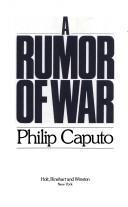 A rumor of warPhilip CaputoA visceral, unflinching descent into the psychological and moral quagmire of combat that shatters youthful illusions.
 VietnamMax HastingsA sweeping, unflinching descent into the hubris and horror of a defining modern conflict, told through the voices of those who bled for it.